Optimizing IndyCar
Pit Lane Performance
Pit Lane Performance
Project: Research Capstone
Date: Spring 2026
Timeframe: Weeks
Skills Used: Research, Modeling, Prototyping
Ideating, AI Development, CAD, Rendering
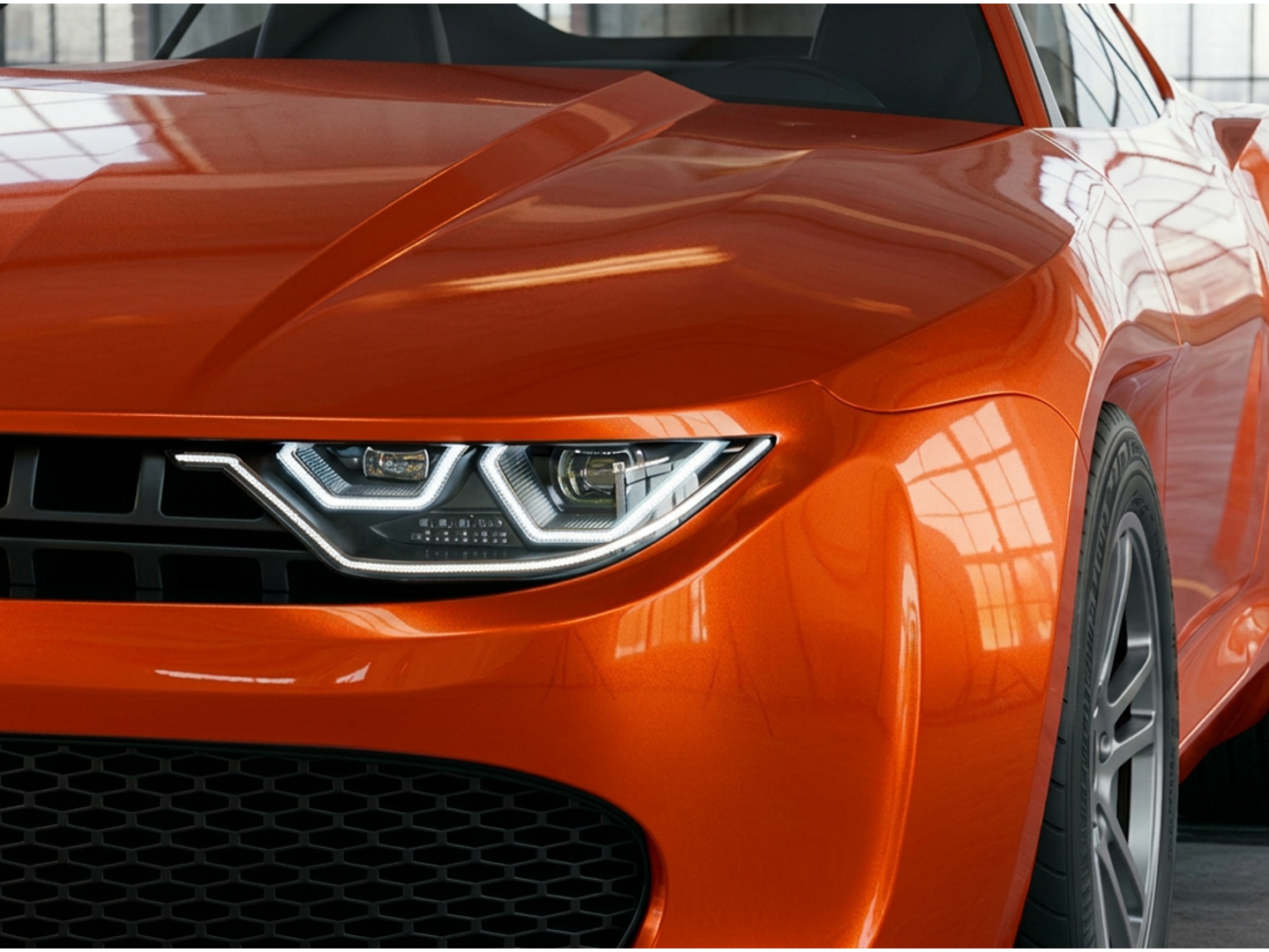
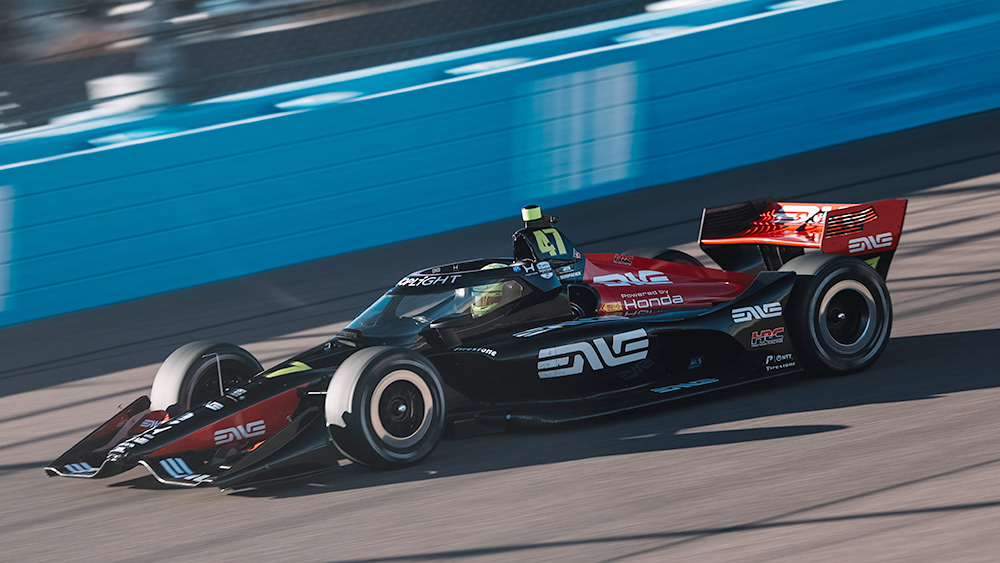
IndyCar’s design language emphasizes precision, speed, and aerodynamic efficiency. Its low-slung body, exposed wheels, and sculpted aero surfaces create an aggressive yet purposeful form, where every contour is engineered for performance. The sleek, open-cockpit silhouette balances cutting-edge technology with raw racing heritage.
Project Brief:
Envision a next-generation IndyCar concept. Using the legacy of open-wheel racing, design a vehicle that advances performance, safety, and aerodynamics while expressing a bold, future-focused identity grounded in real-world motorsport.
Project: Design
Analyzing current motorsport trends, the concept should reflect a next-generation IndyCar designed for the future of racing, emphasizing advanced aerodynamics, enhanced driver safety, and a bold, performance-driven identity.
Watch my Capstone Presentation
Copy: https://www.youtube.com/watch?v=ZFVHhamB9mw
This video explain my project and process further with a slide deck to present to the audience.
I hope you enjoy the project as much as I did working on it.
Performance
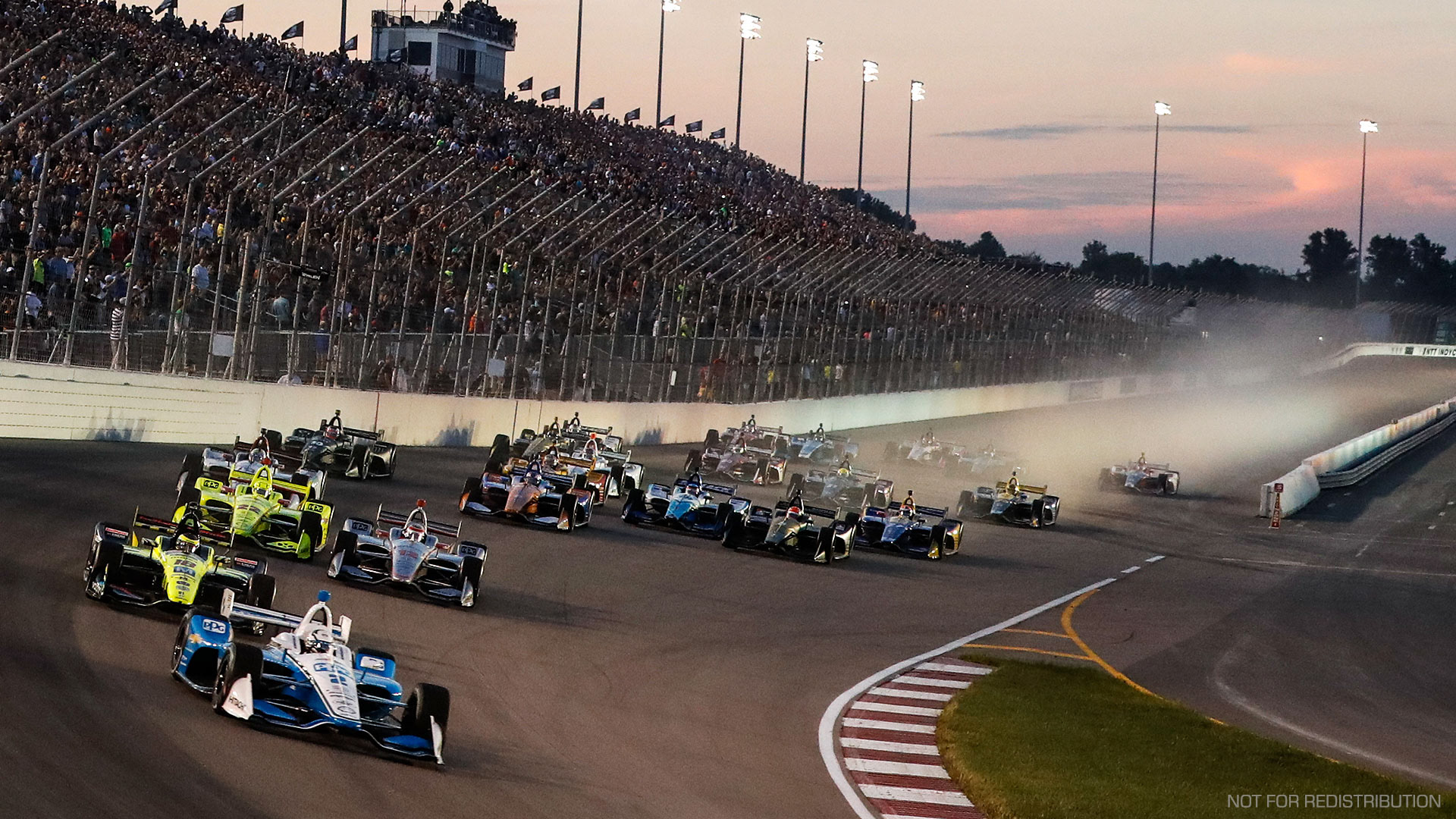
IndyCars are lightweight, high-speed race cars built for precision, combining powerful engines with advanced aerodynamics to exceed 230 mph.
Innovation
IndyCar drives innovation through advanced aerodynamics, safety systems, and hybrid technology, constantly evolving to improve performance and driver protection.
Competition
IndyCar competition is defined by close racing, diverse track types, and tight performance regulations that keep drivers and teams closely matched.
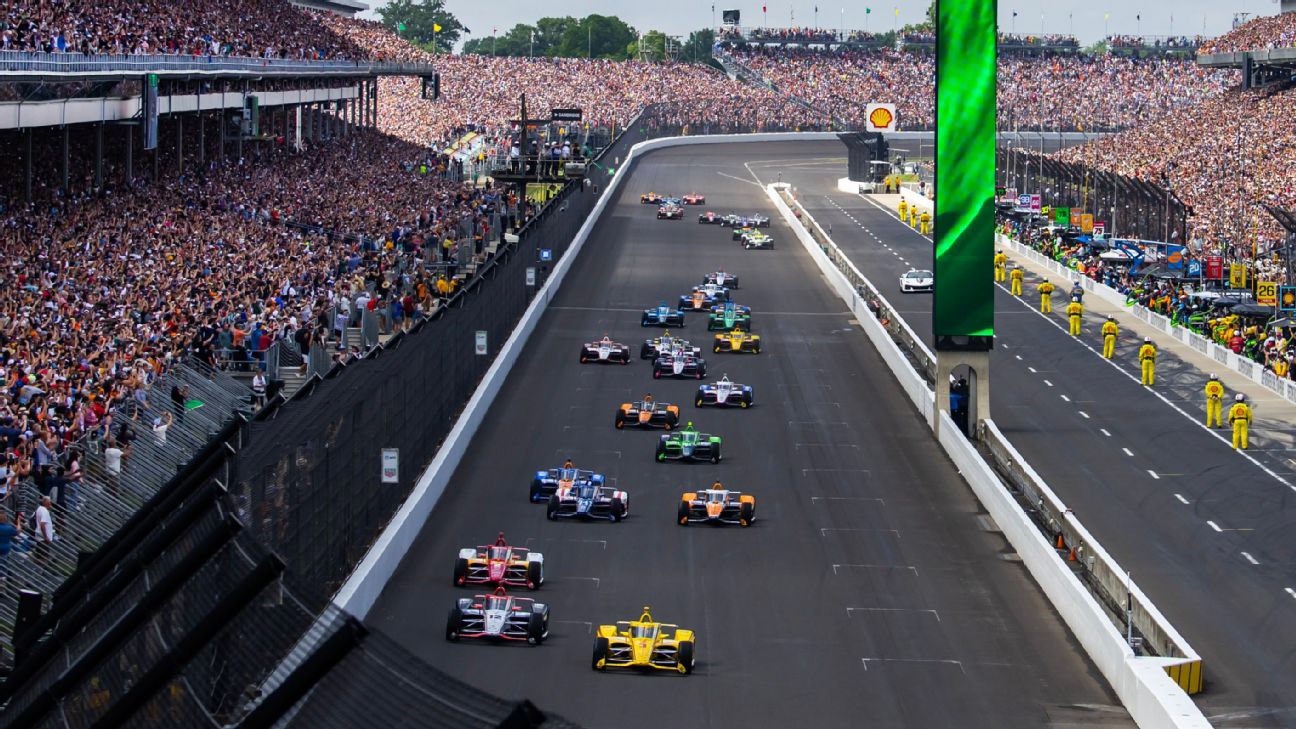
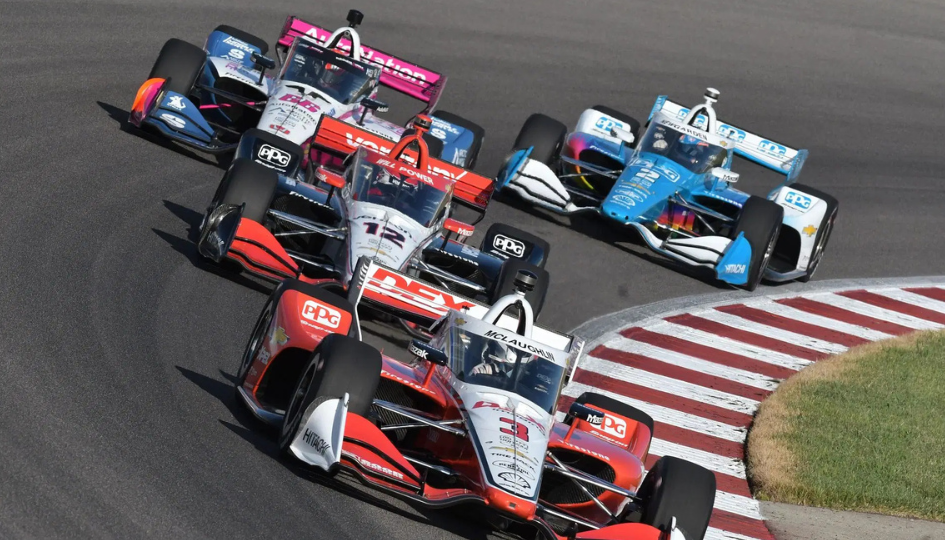
Why is IndyCar Pitstops so Important?
IndyCars can travel over a football field per second. At that speed, any time wasted on track or in the pits is a football field of distance lost.
With IndyCar as competitive and optimized as it is, there is not a large amount of innovation except through where the cars are most vulnerable with the most amount of variables... The Pitstop
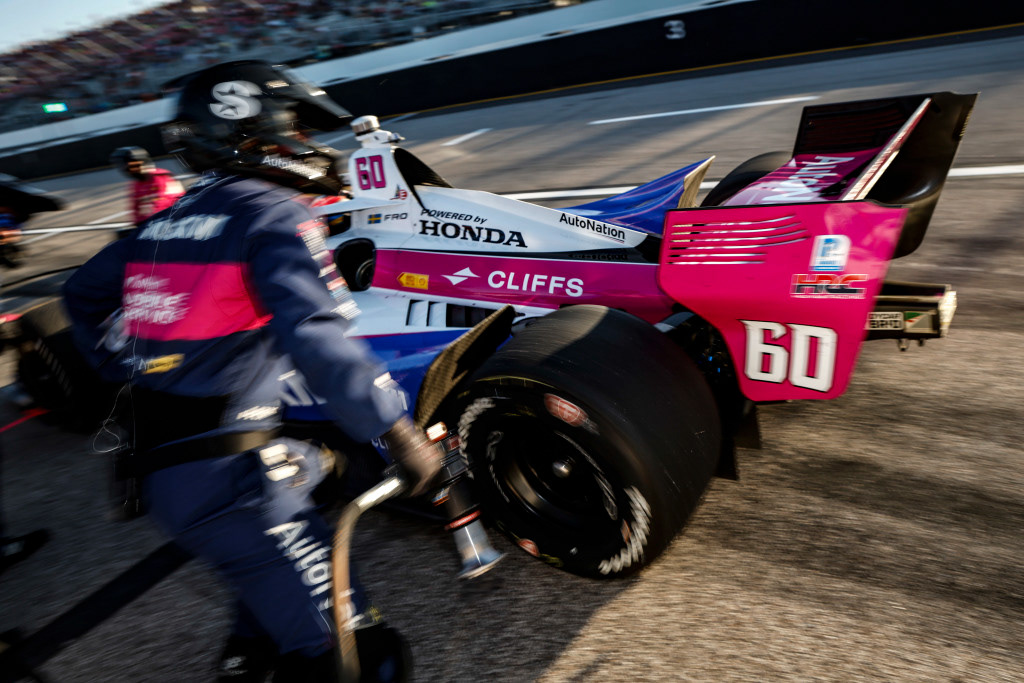
when a race vehicle quickly pulls into a special service area during a race so the team can...
- Fix
- Refuel
- And or/ Change Parts
- Fix
- Refuel
- And or/ Change Parts
Today, IndyCar pitstops are more refined and choreographed. Taking an average pitstop where they are changing still on slick tires and with fuel added takes about 6.750s- 7.150s.
Where can improvements be made?
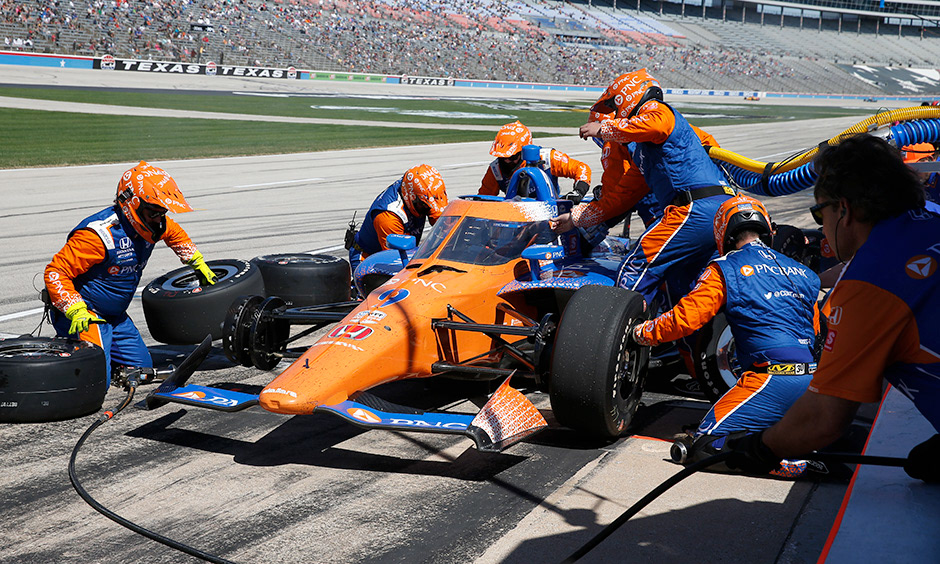
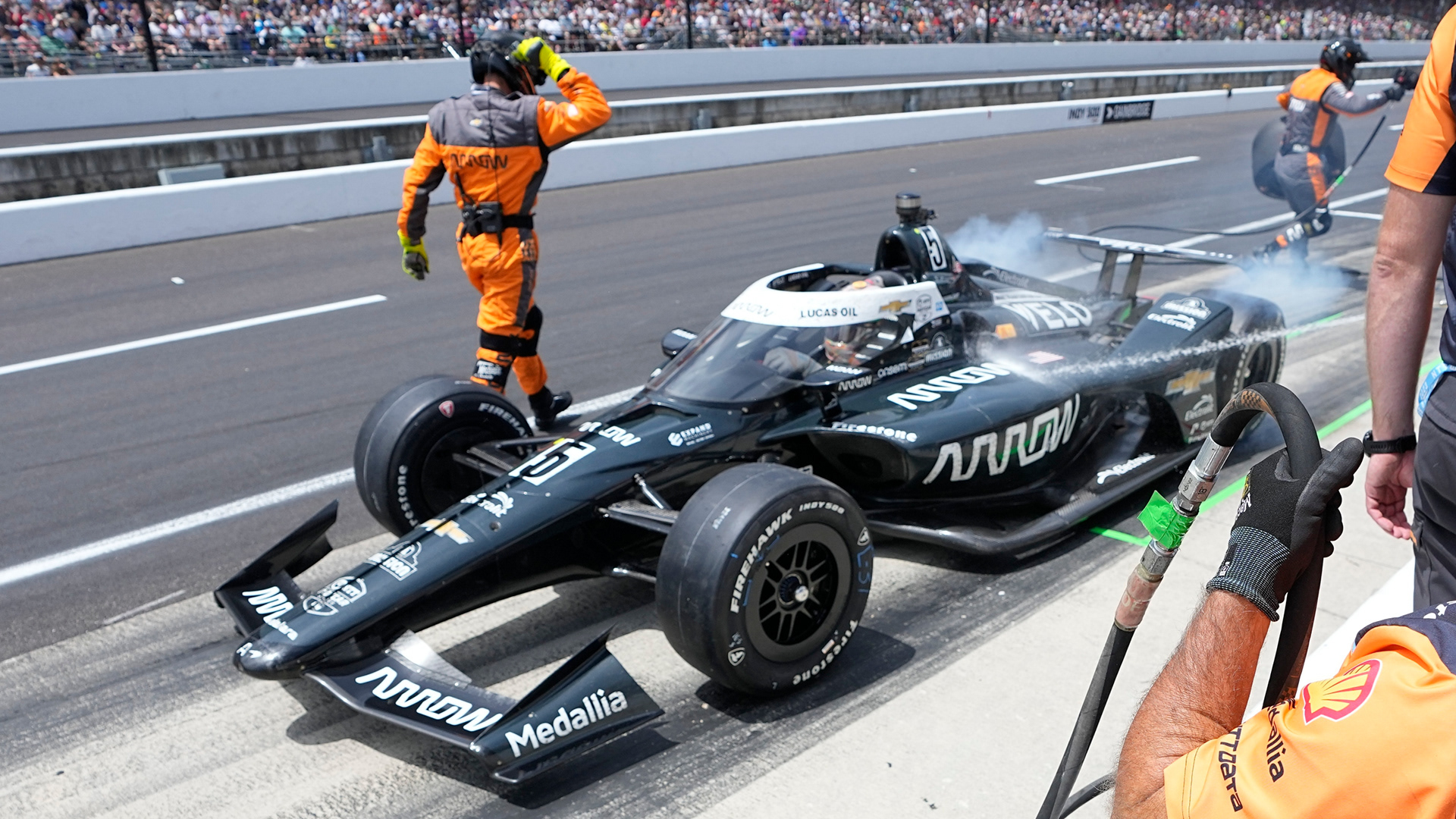
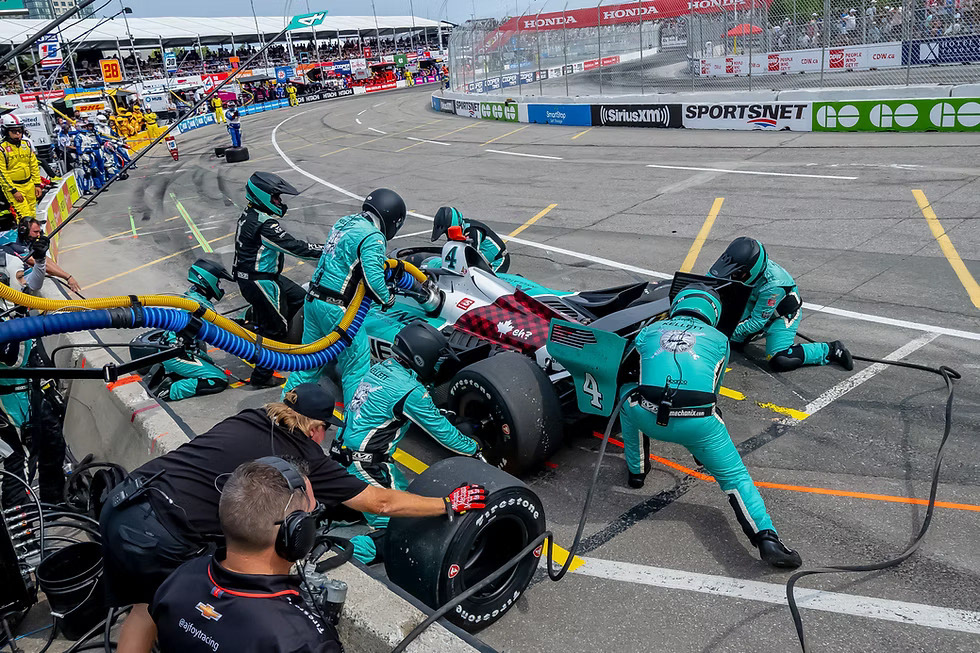
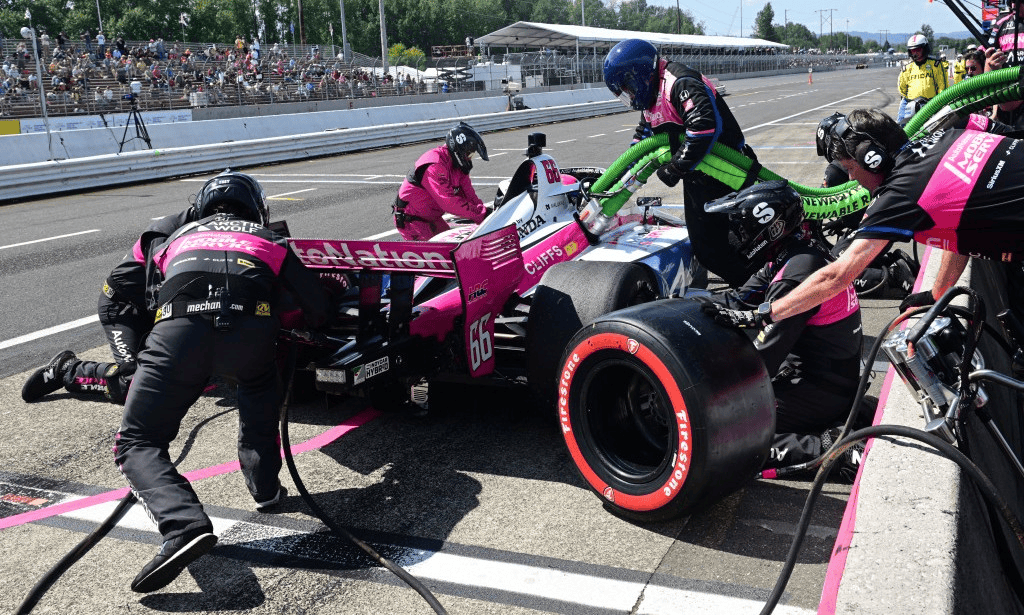
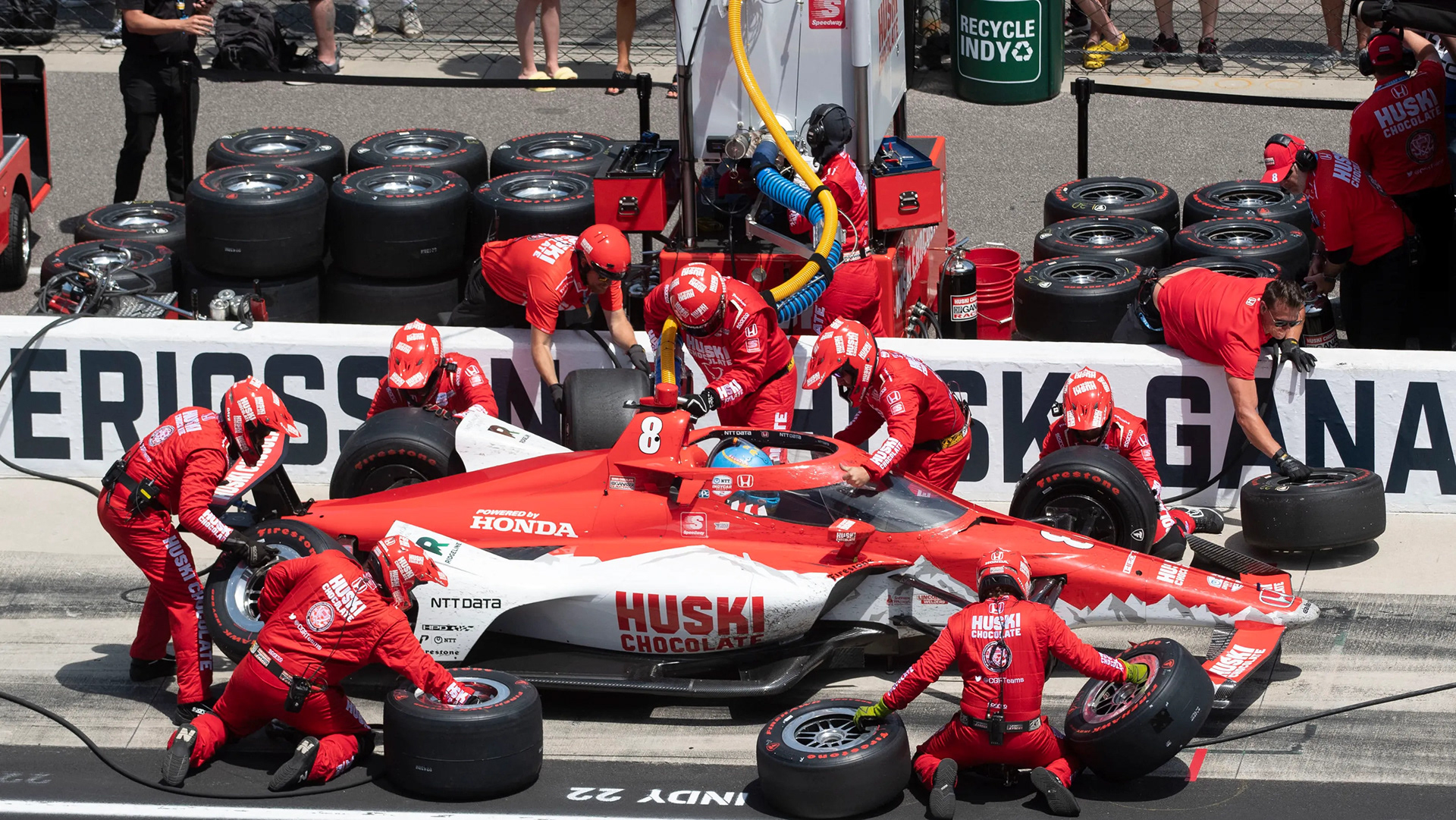
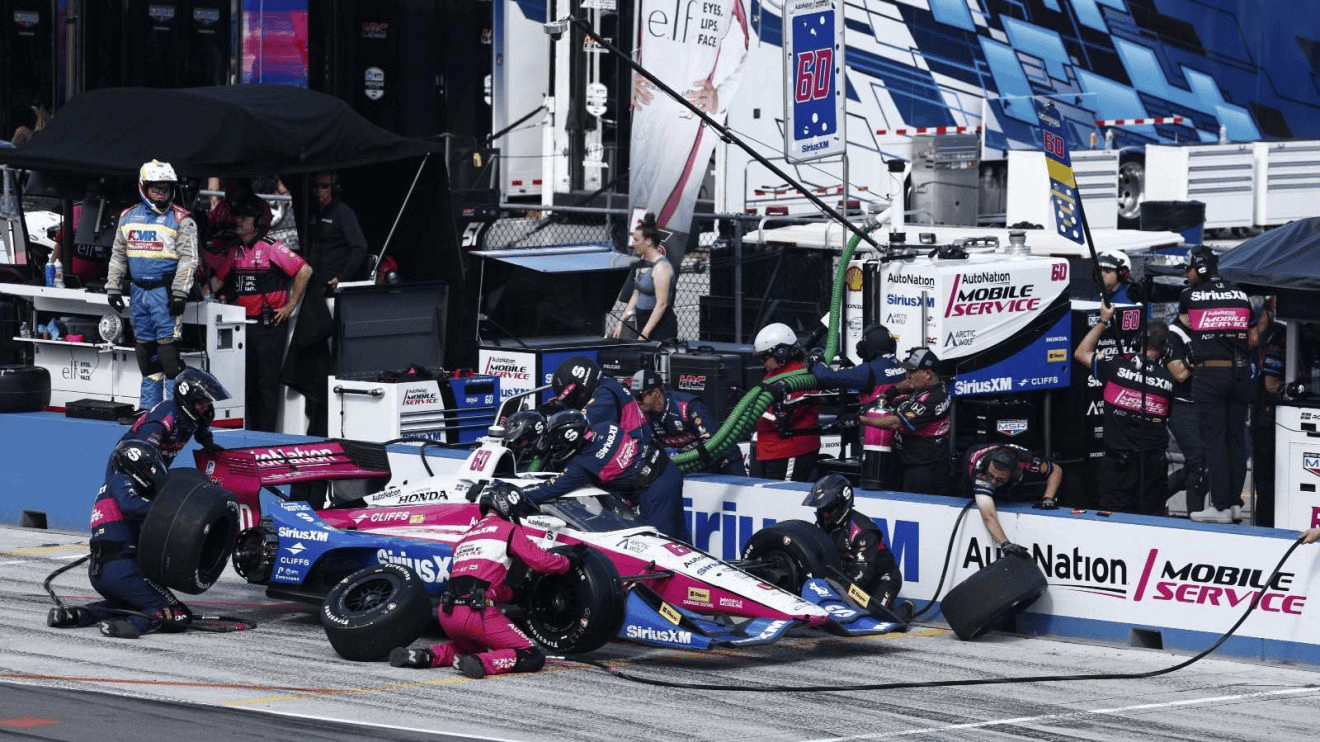
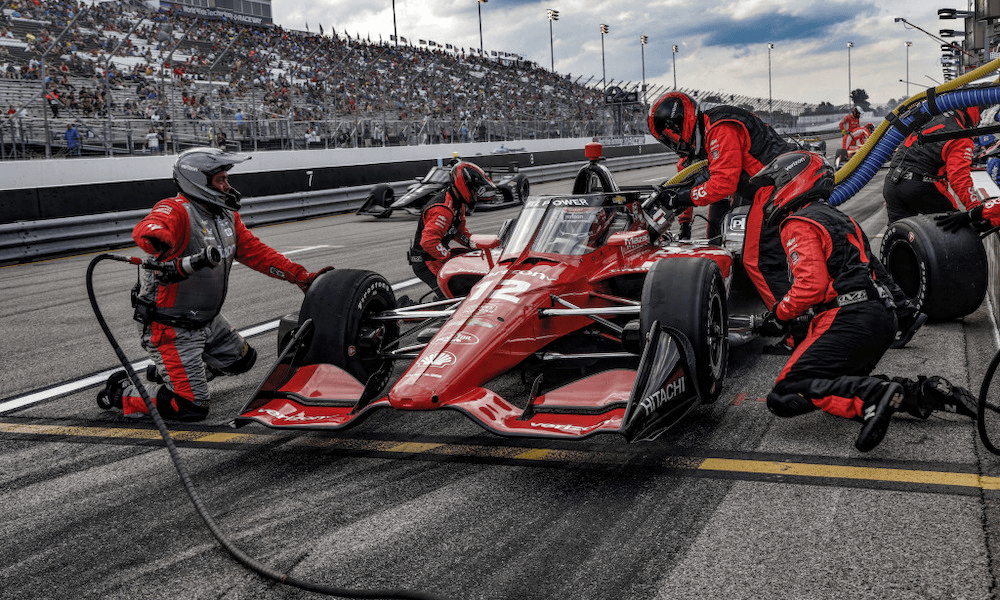
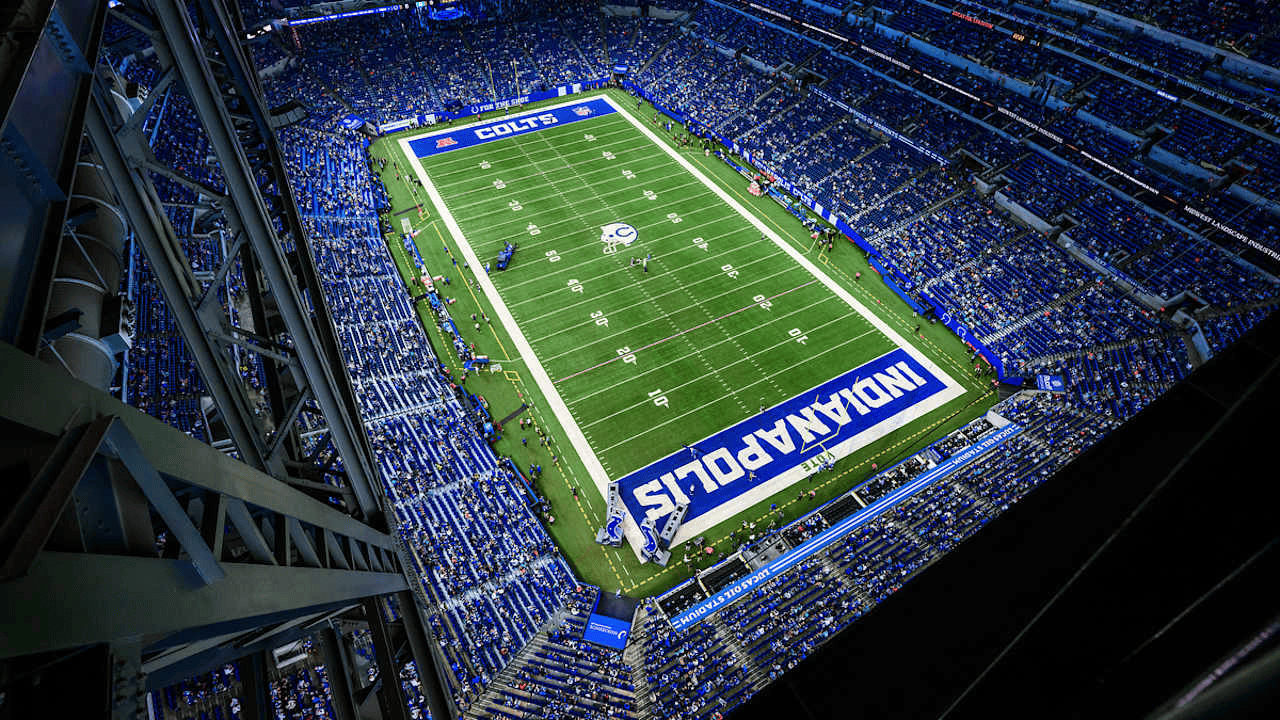
IndyCar Pitstop Research
I began to research, learning anything and everything, exploring the 106pg rulebook. All to see where improvements can be made in the sport of IndyCar.
- IndyCar Rules
- Pit Crew Roles
- Observed Areas of Innovation


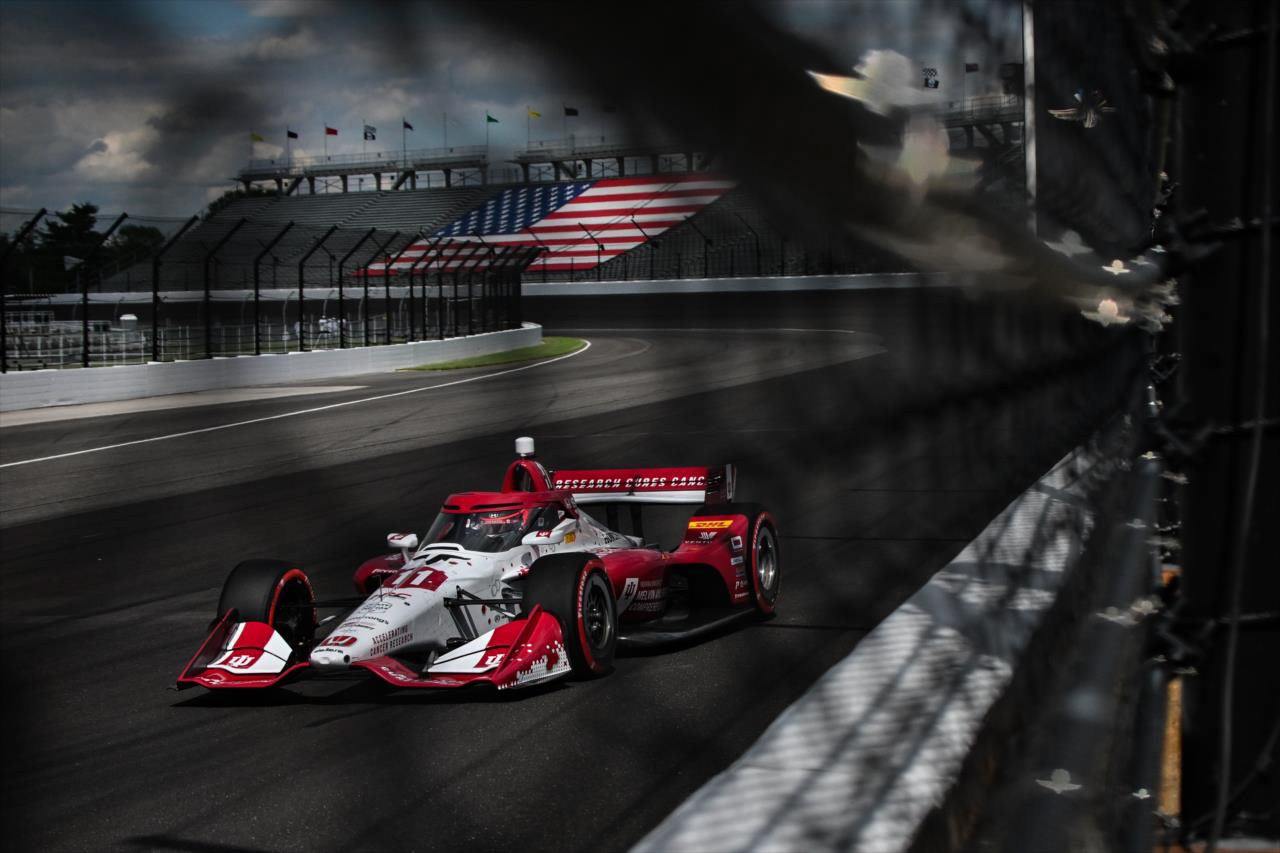
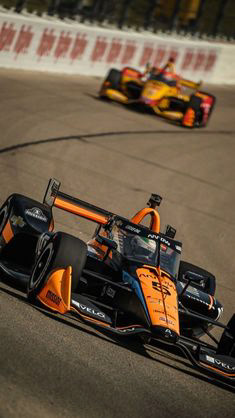
IndyCar Rules
- Cars park in designated spots
- No obstacles in car's path
- Mandatory two stops
- Refueling necessary
- Limited number of crew
Consistent Mistakes
- Unsecure components
- Equipment malfunctions
- Driver errors in pit entry
- High risk procedures
- High dependency on consistency
All can cause delays and/or penalties
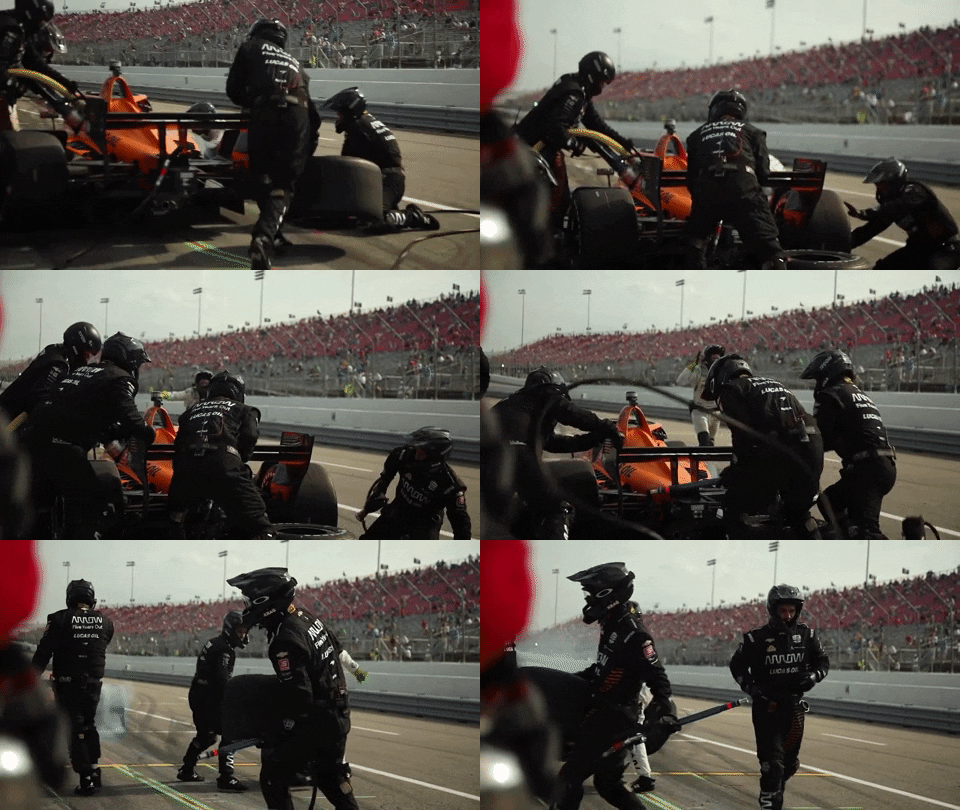
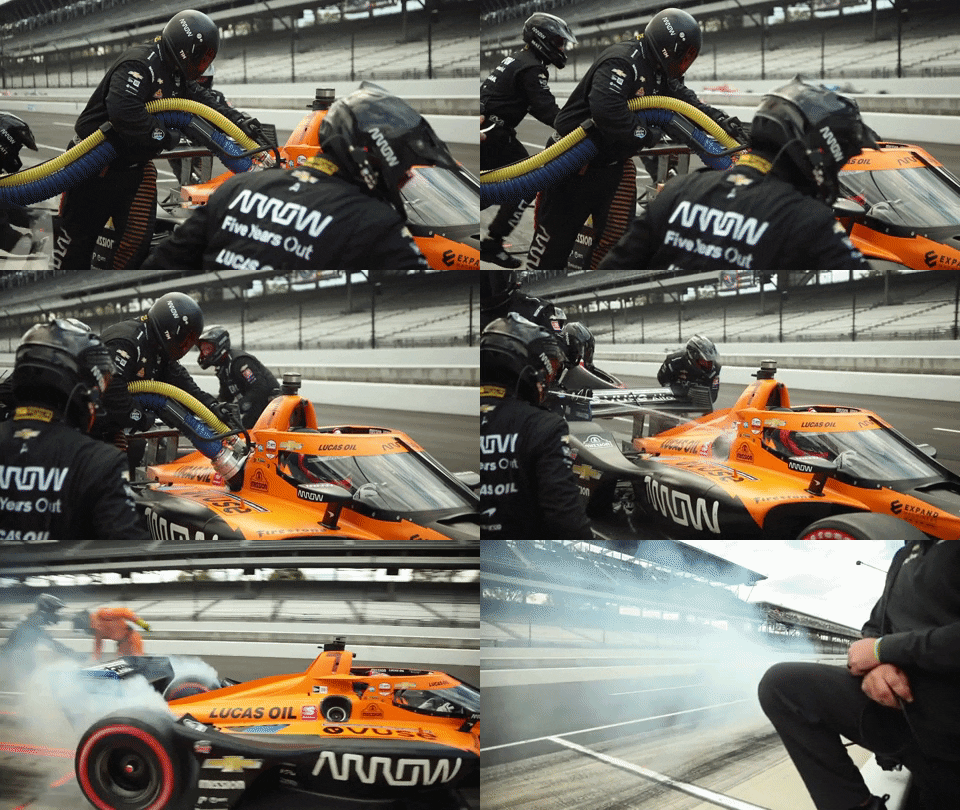
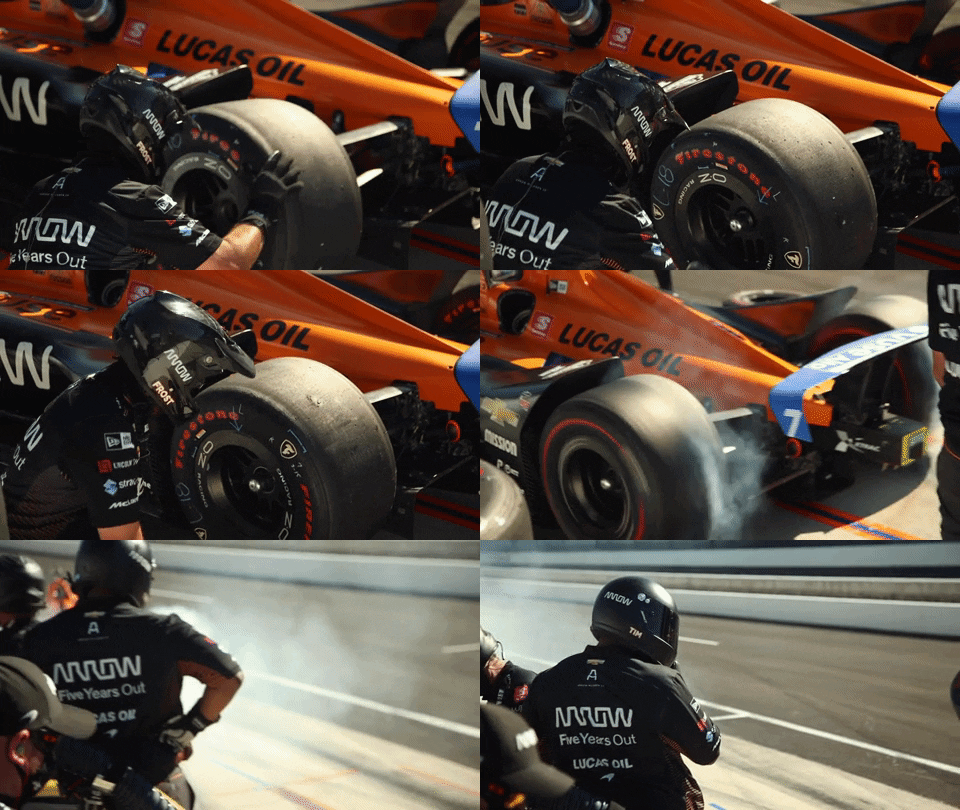
Design Guidelines
- Designated track: Indianapolis Motor Speedway
- Ensure team safety
- Maximize operational efficiency for consistent stops
- Seek cost-effective solutions where possible
- Develop a superior solution to existing pit stop
Innovative Pain Points
Concepts in beginning stages of development, but with the goal of this becoming more refined the more resources are available.
- Storing spare components
- Air hose drag
- Wheel gun drop
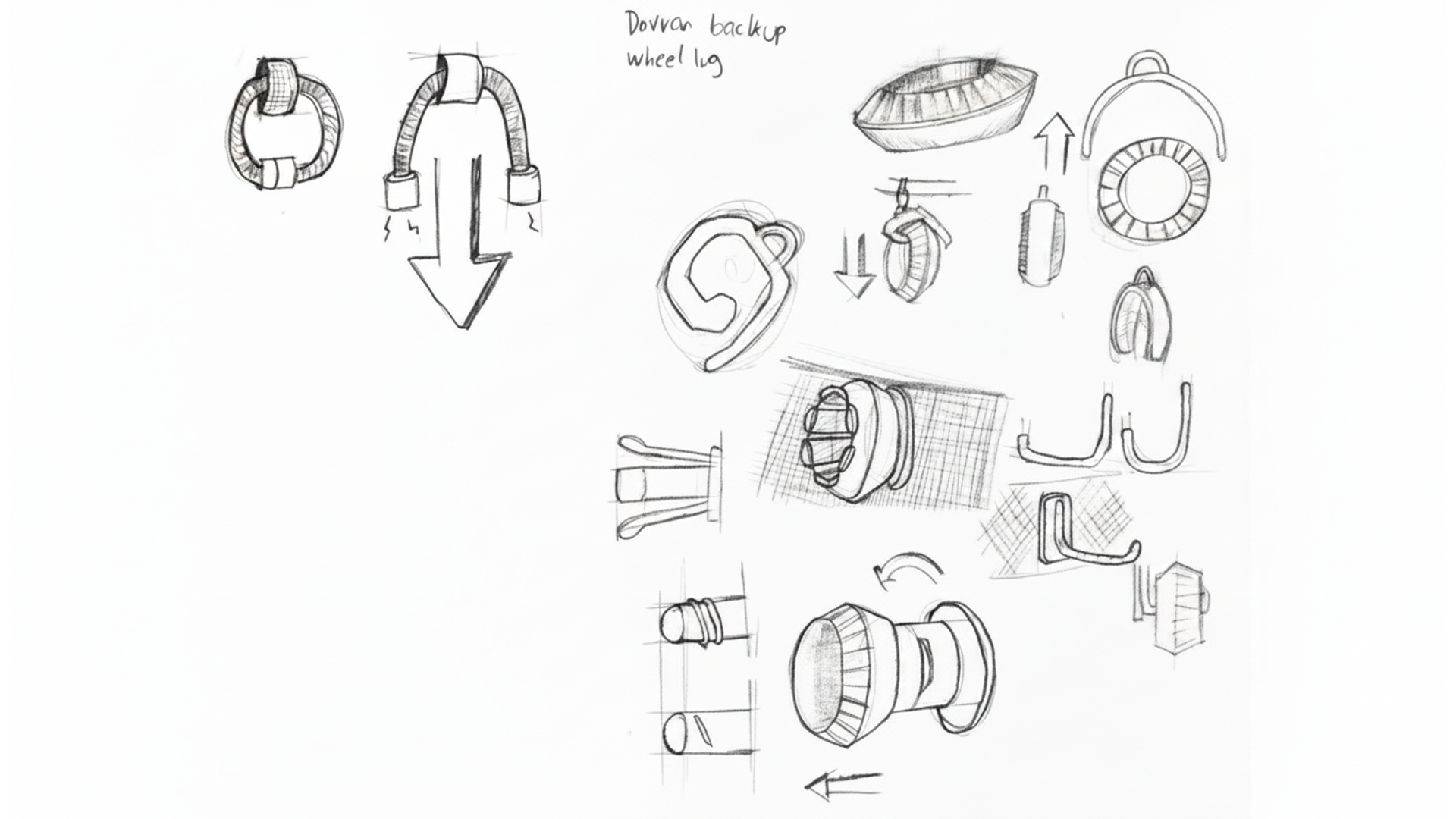
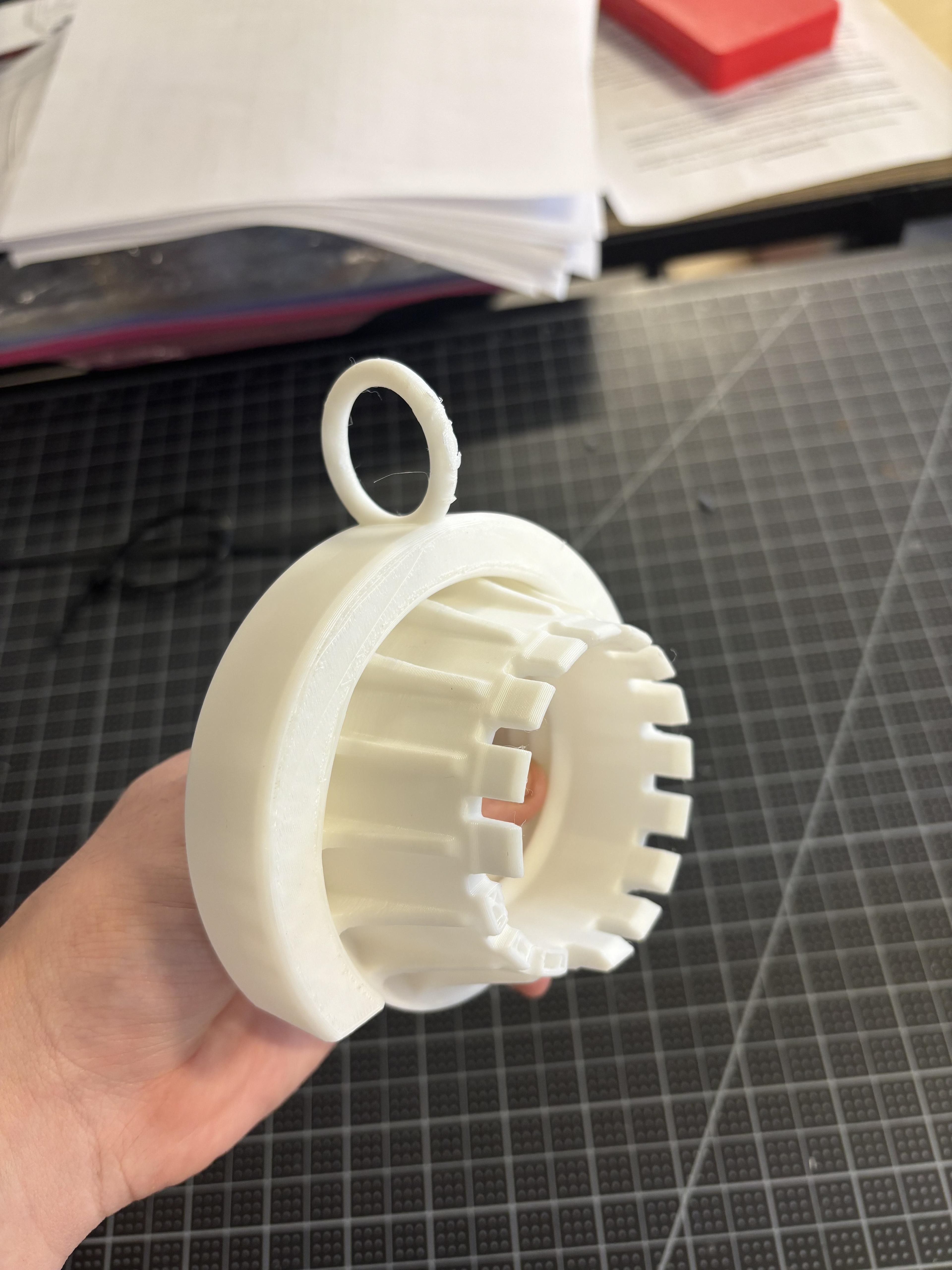
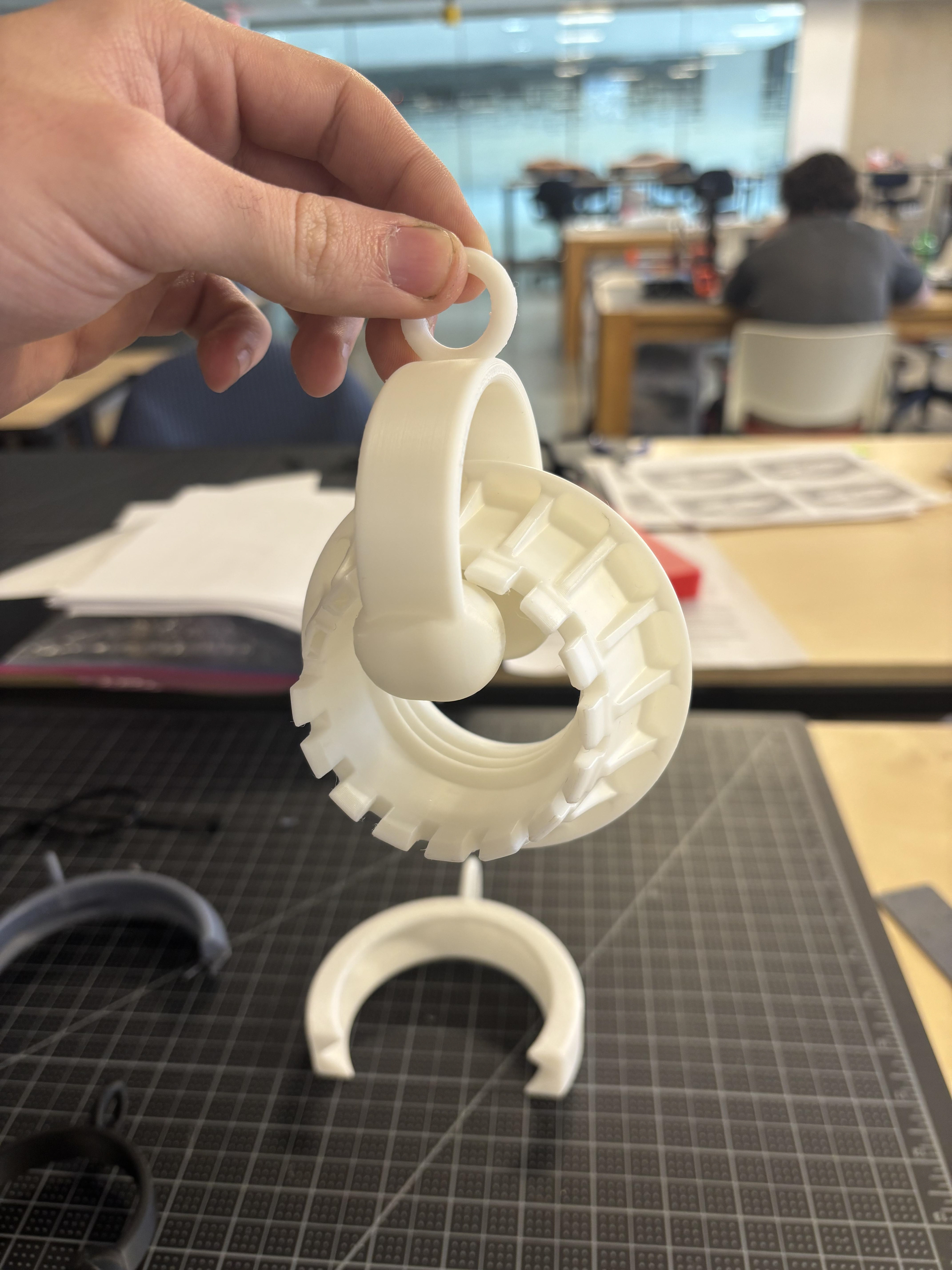
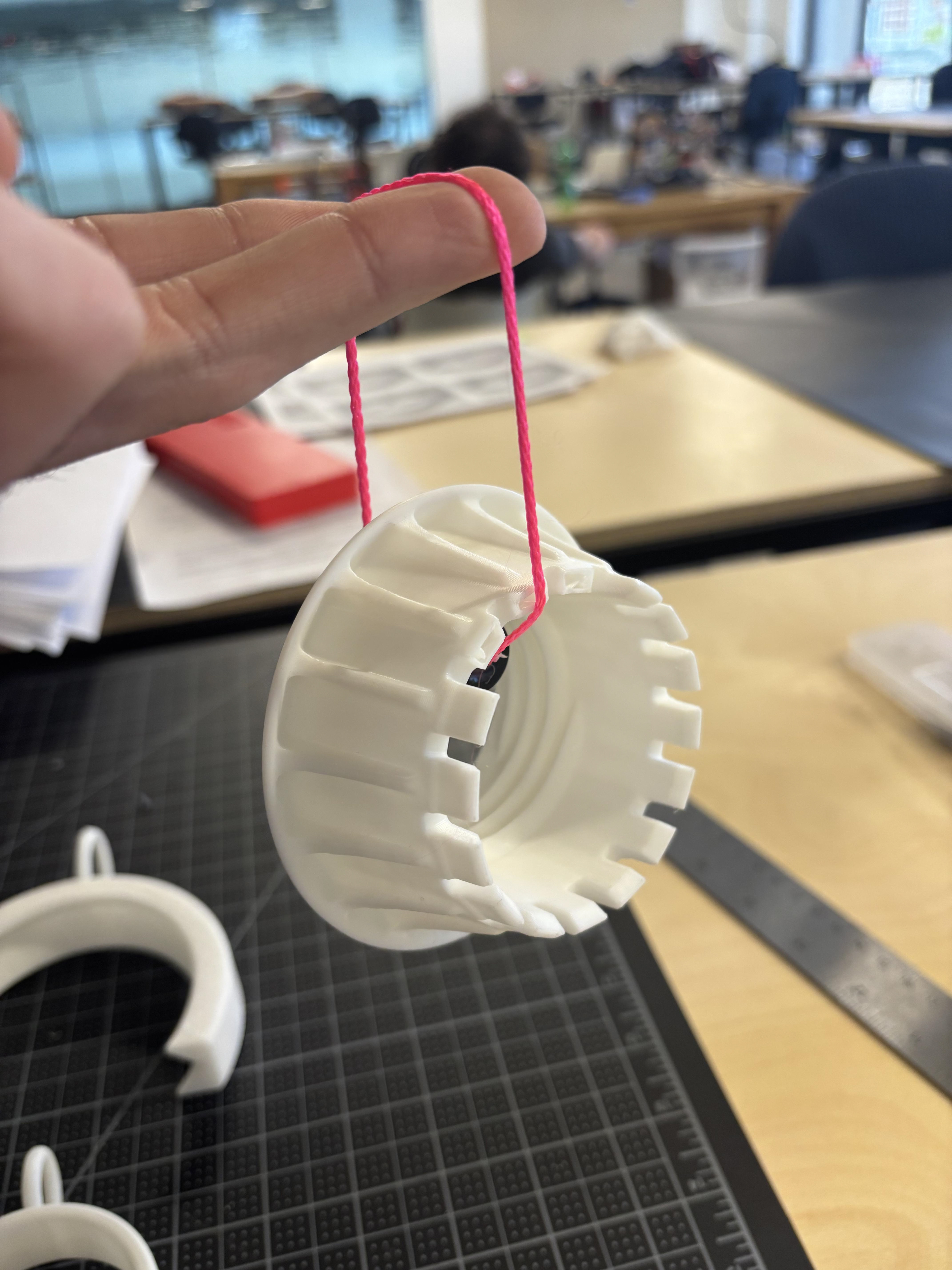
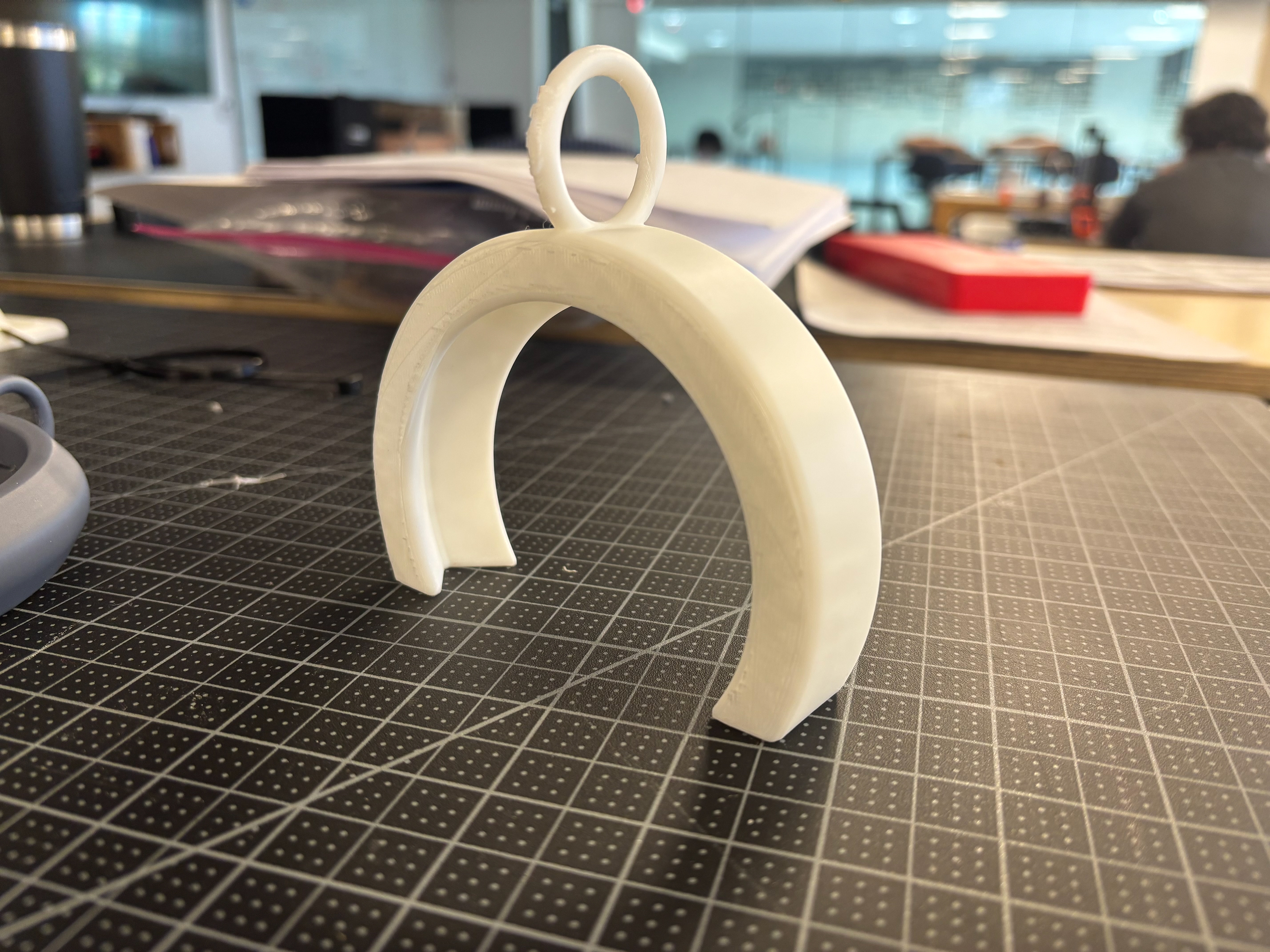
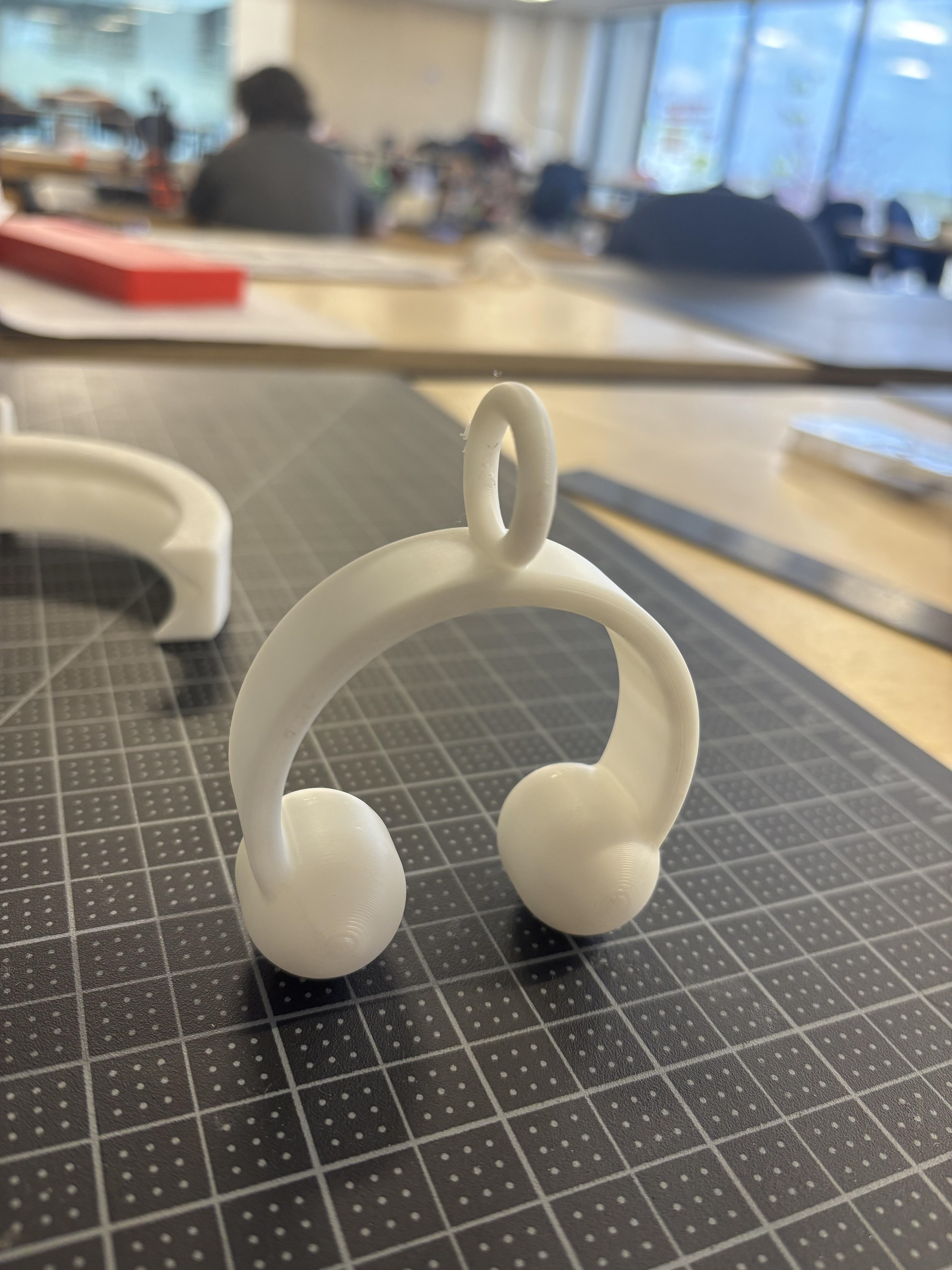
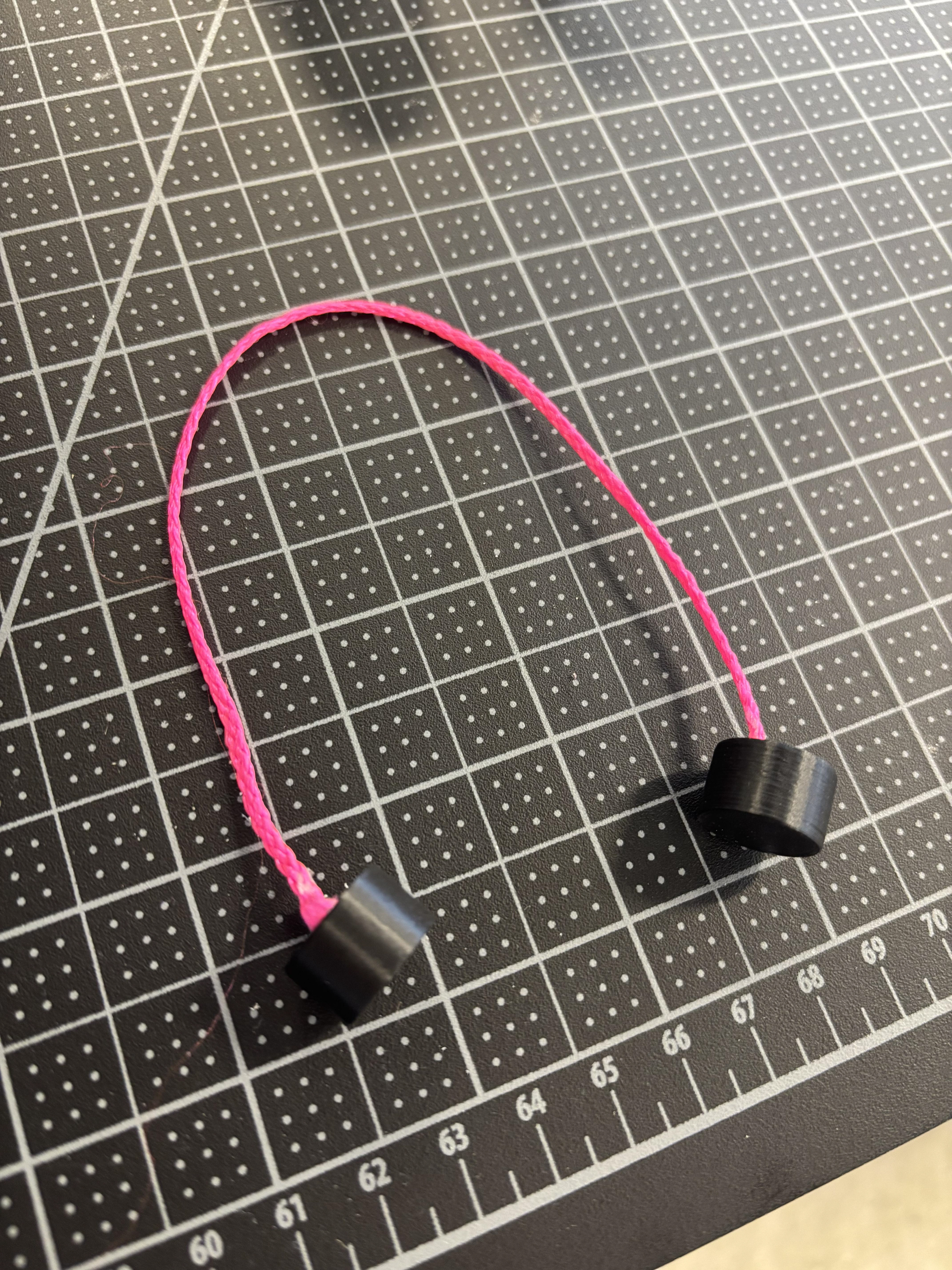
Pain Point: Storing Spare Components
Every crew member carries a spare component, such as a center lug, in case of emergencies. However, they secure these spare components with a zip tie. These are often a struggle to break the component free and they are not reusable.
Current System
Proposed Concept
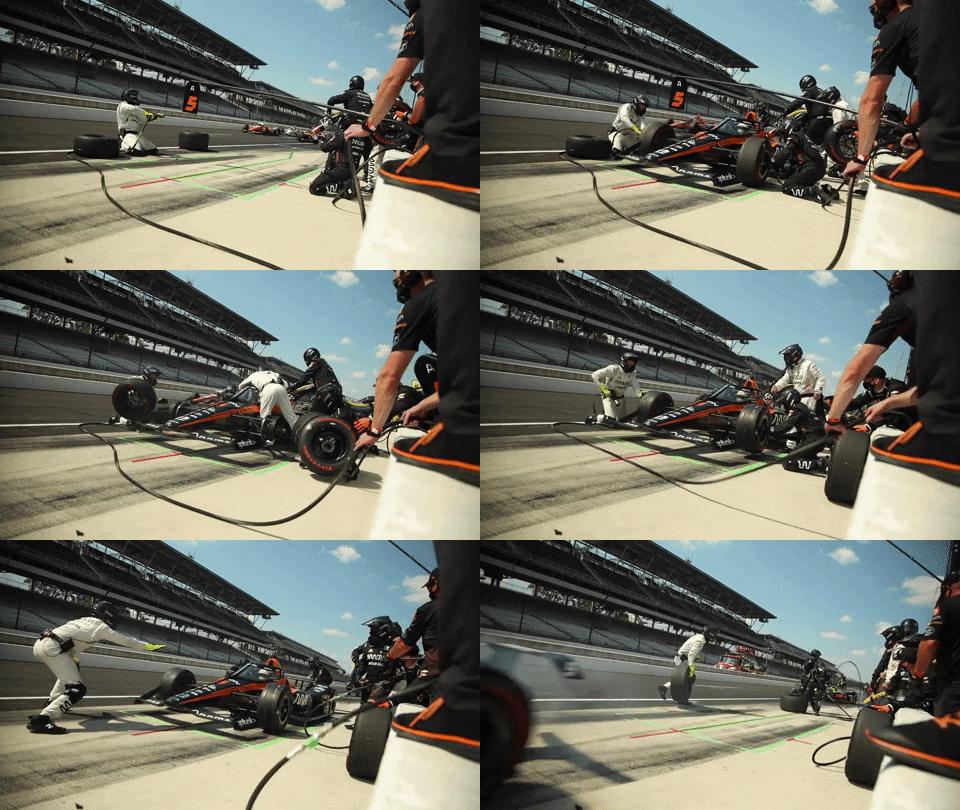
Pain Point: Air Hose Drag
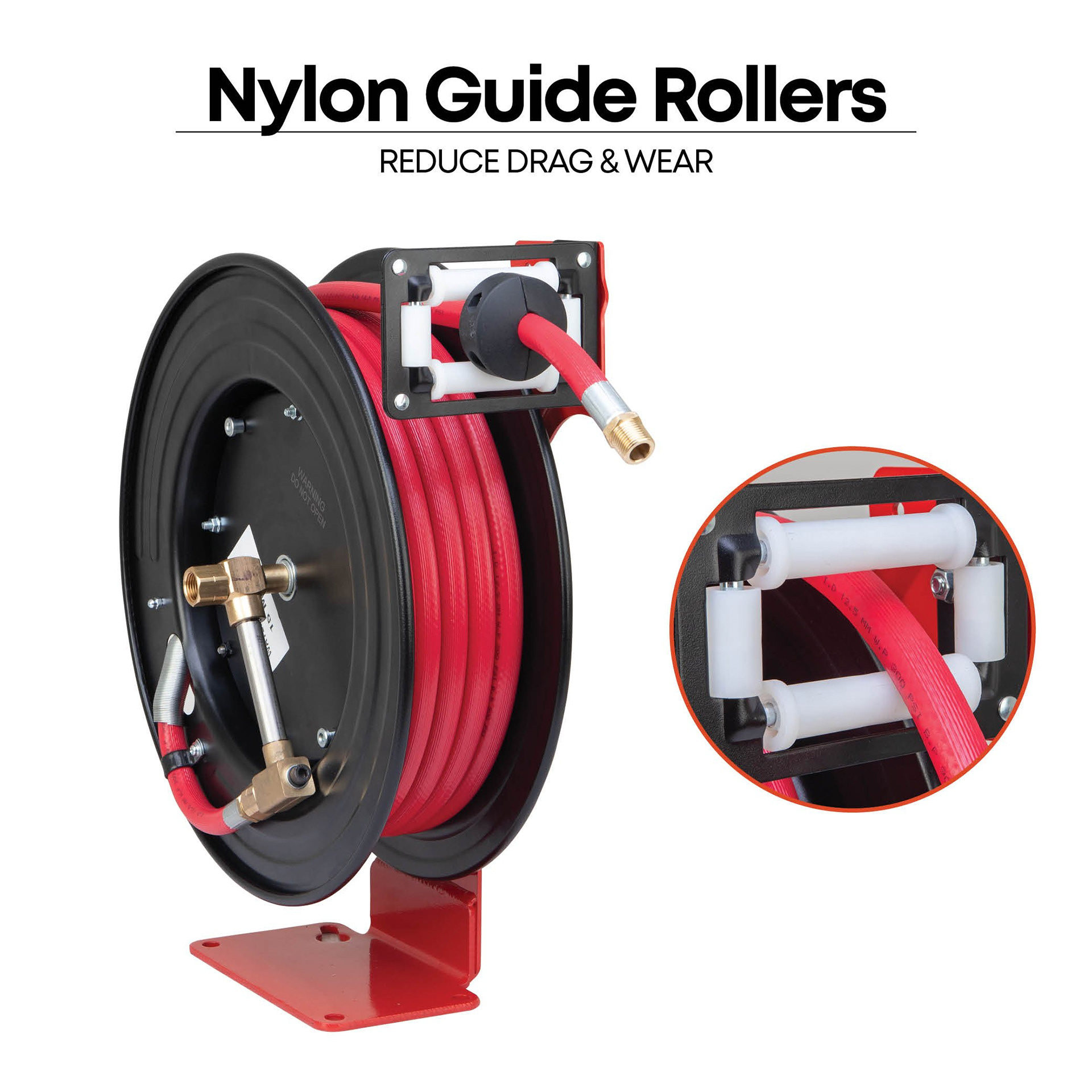
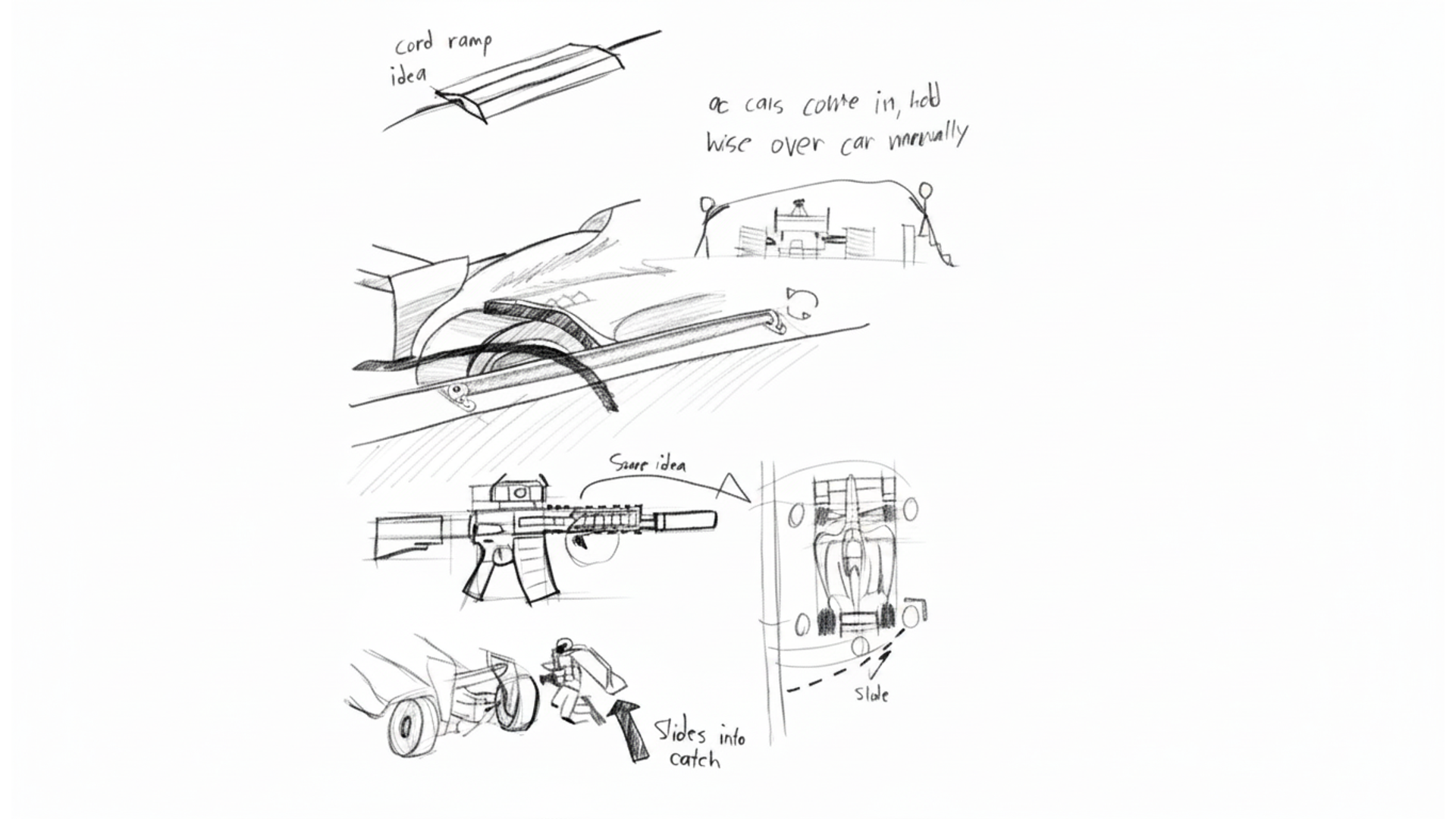
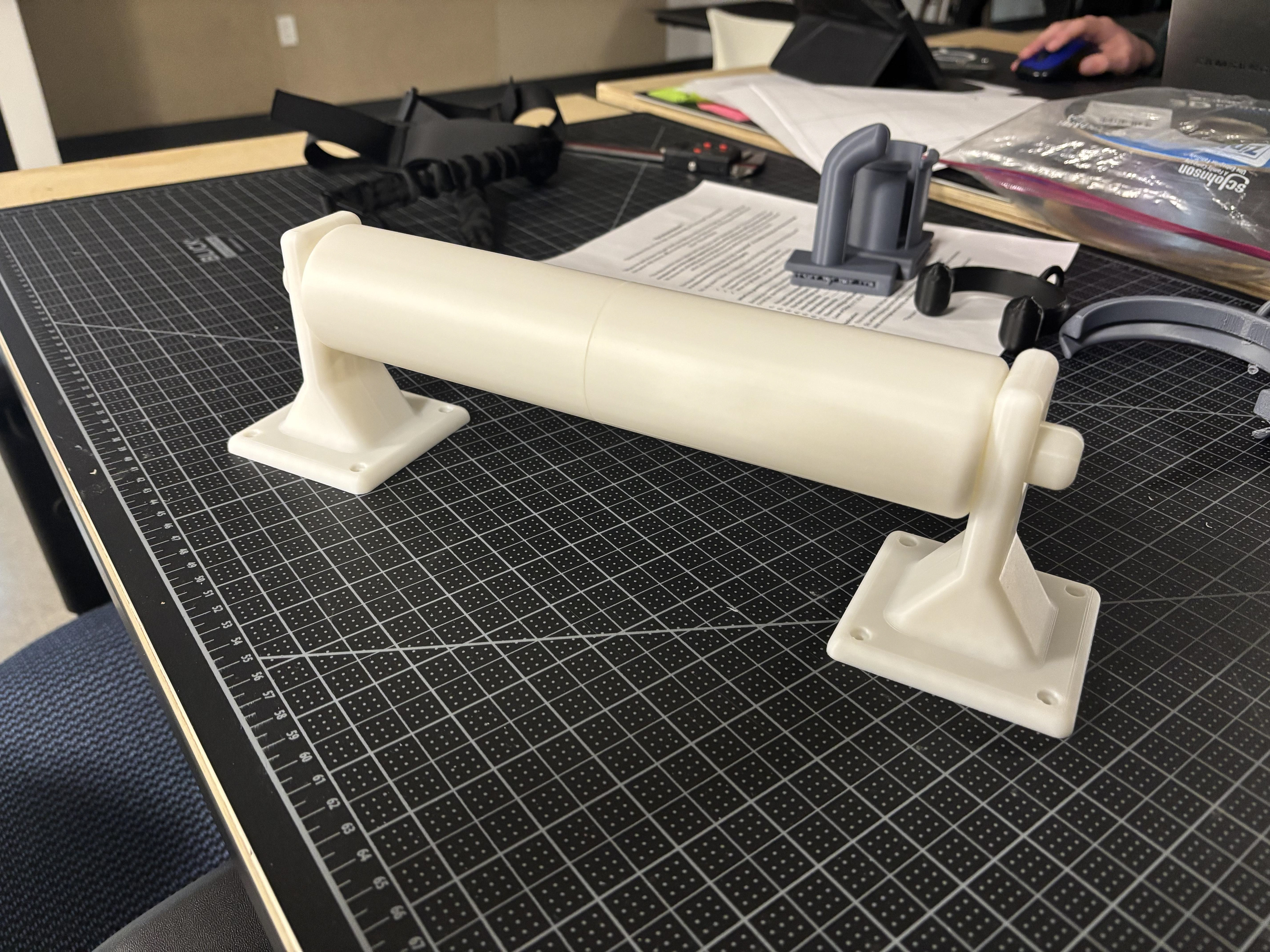
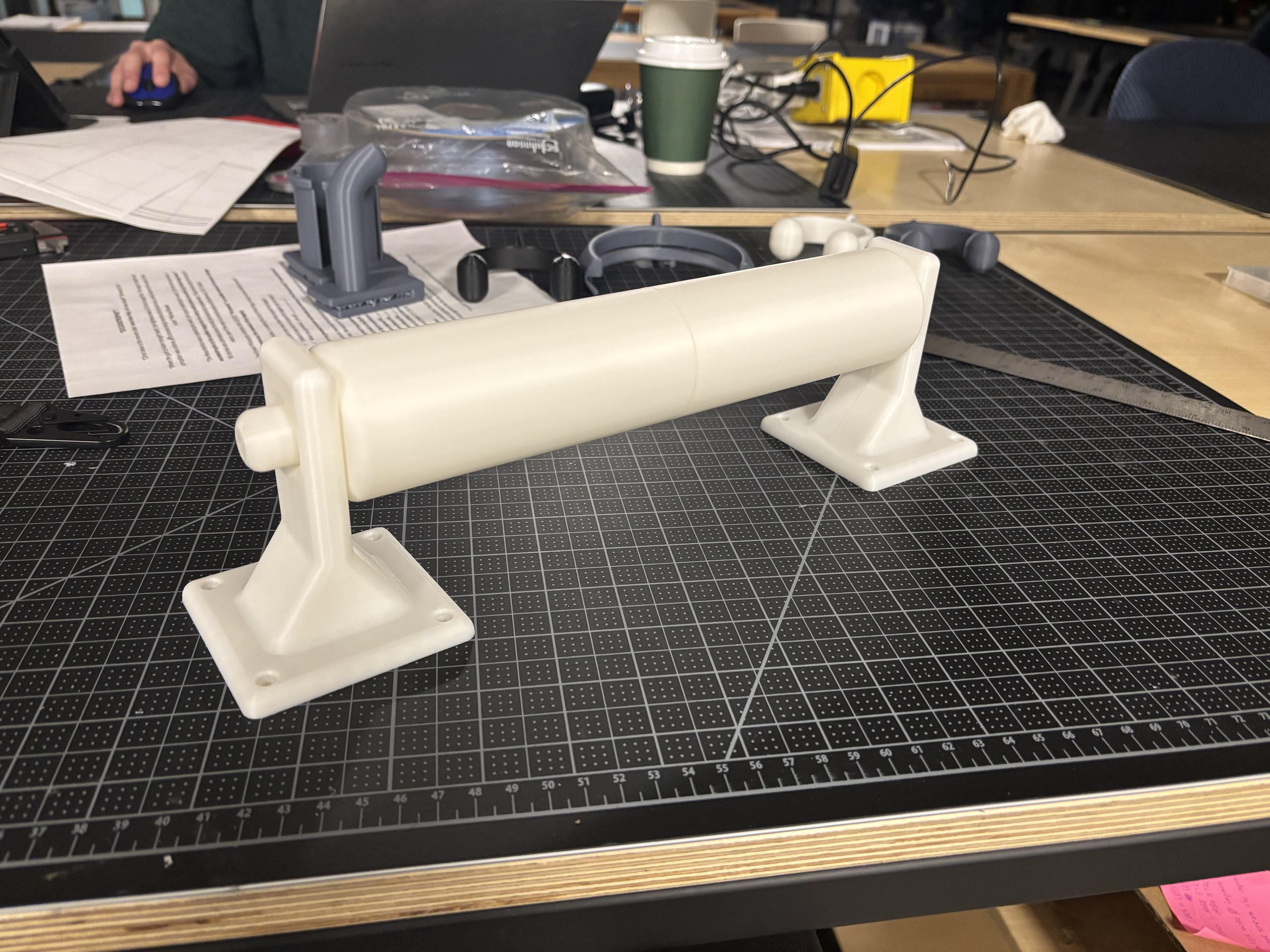
Most of the tools that the pit crew car are pneumatic, need to be powered by air. So they have a long air hose that can drag along the pit lane wall causing resistance along with wear and tear.
Current System
Proposed Concept
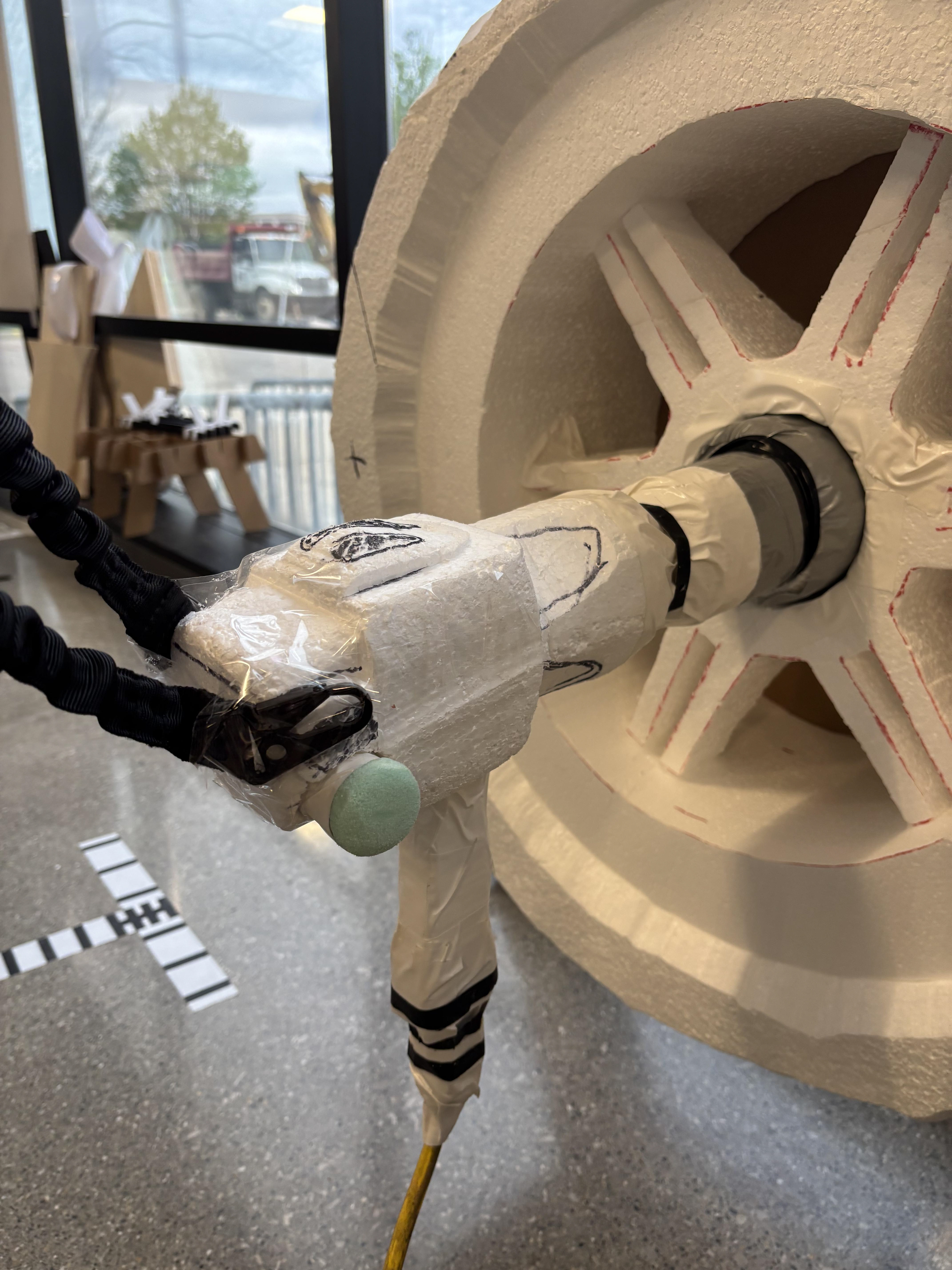
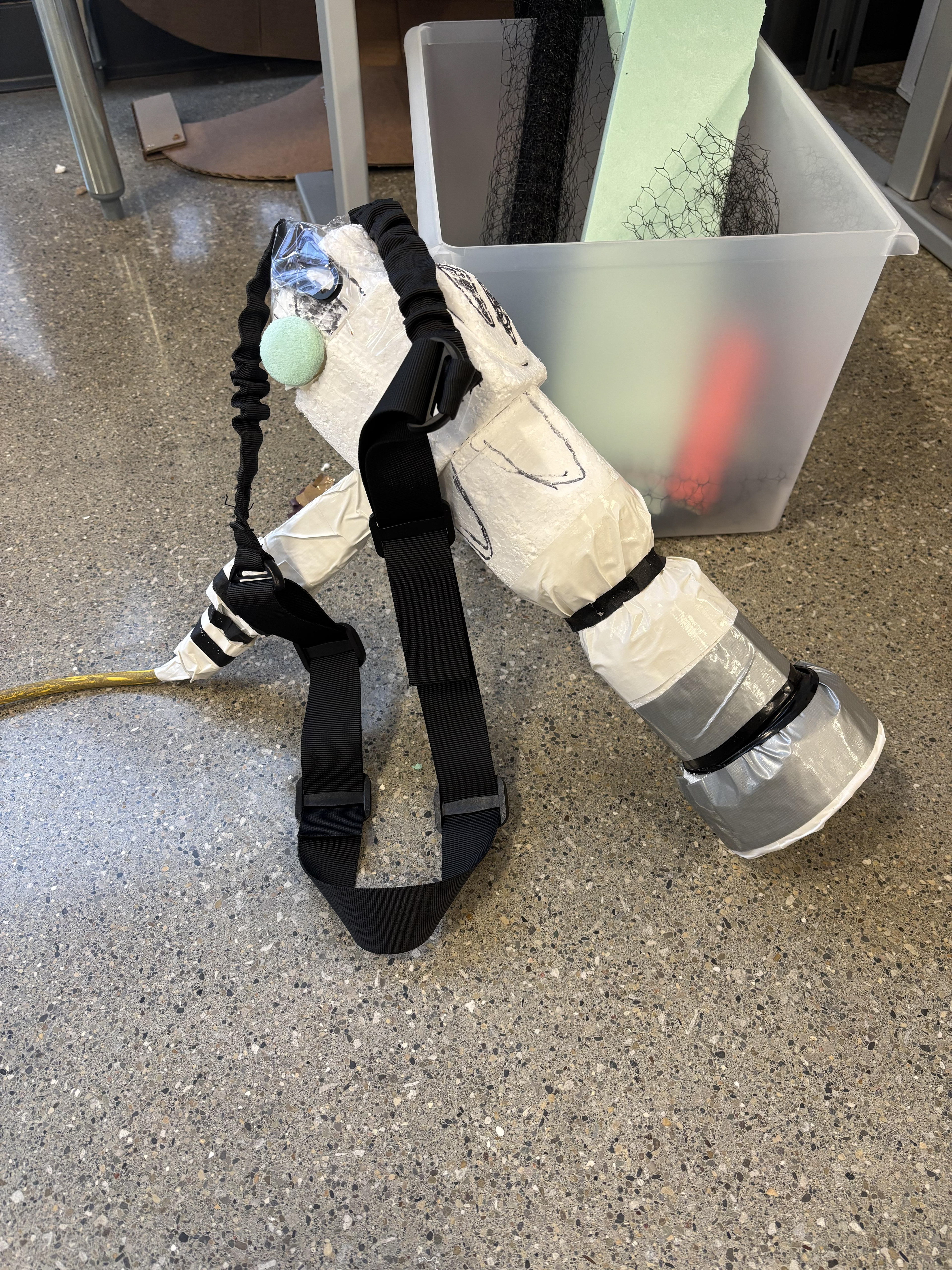
Pain Point: Wheel Gun Drop
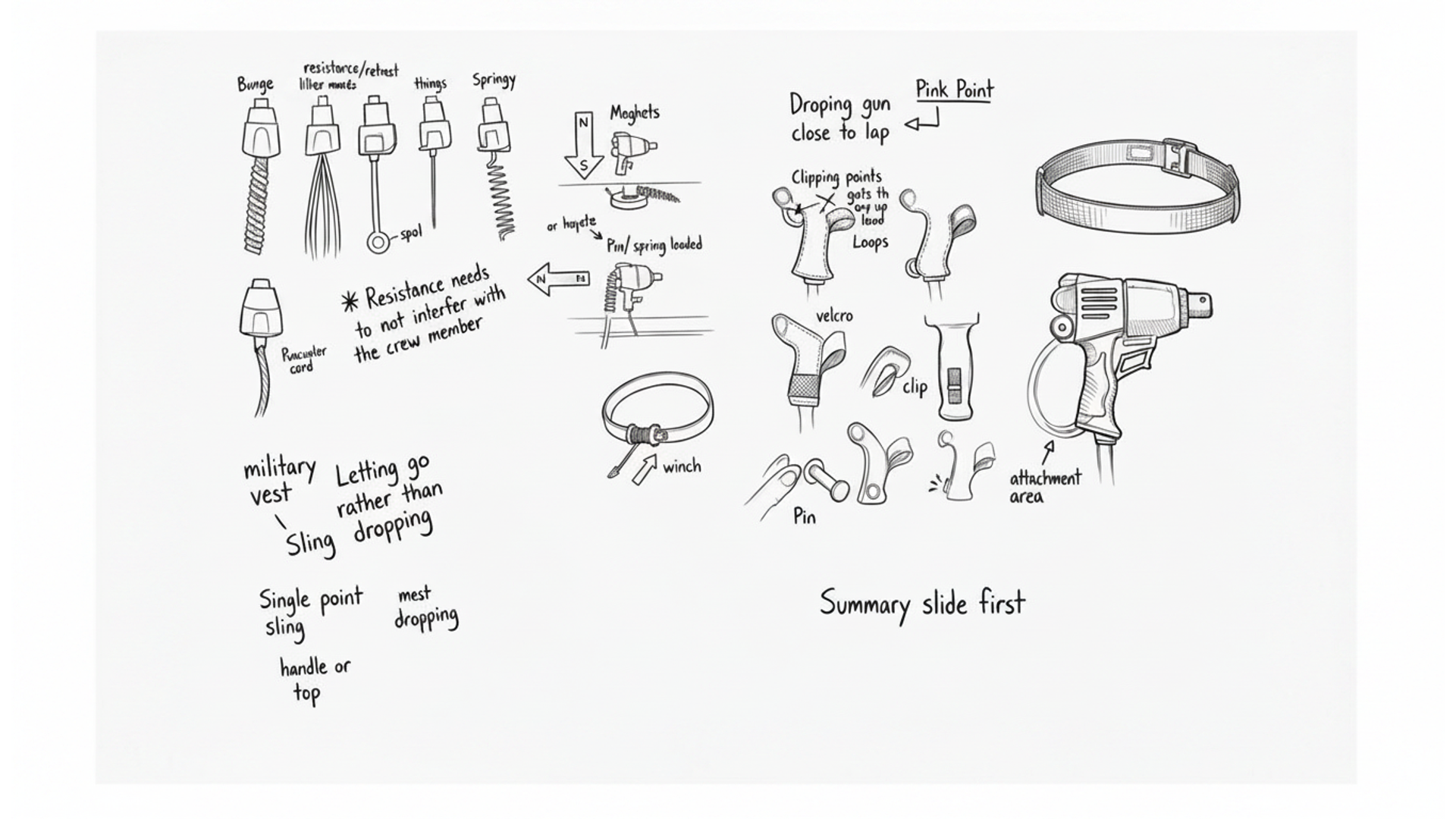
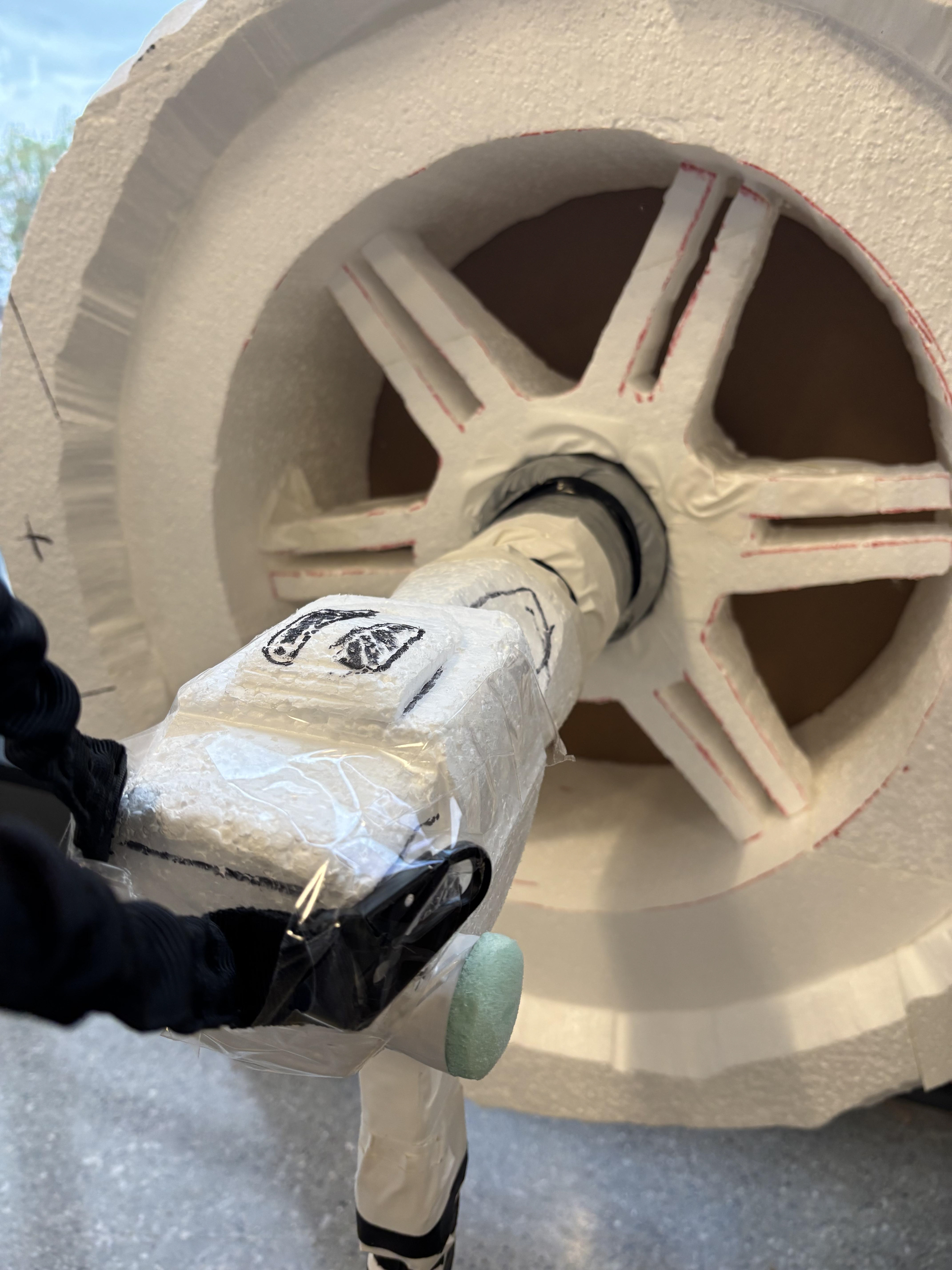
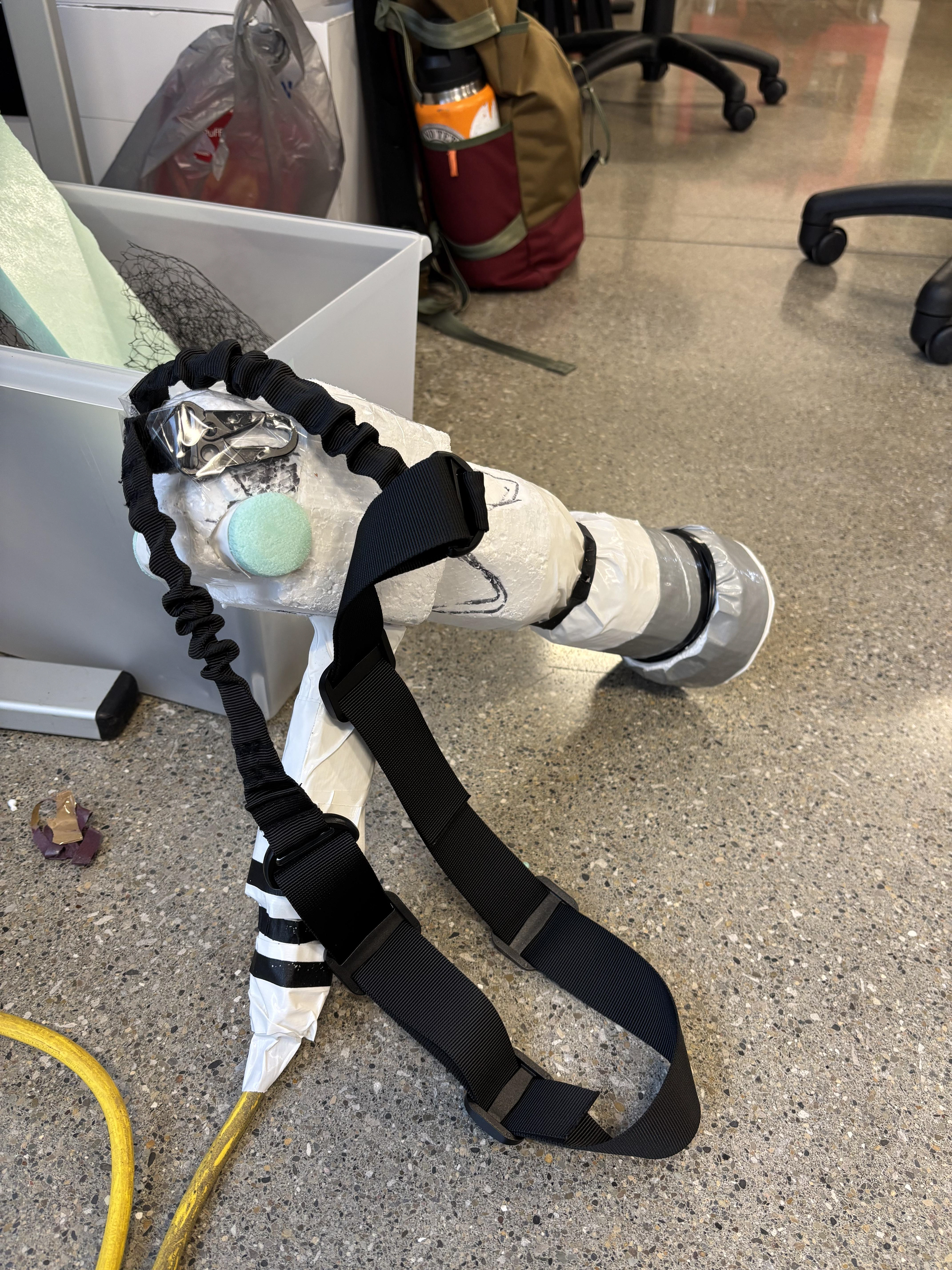
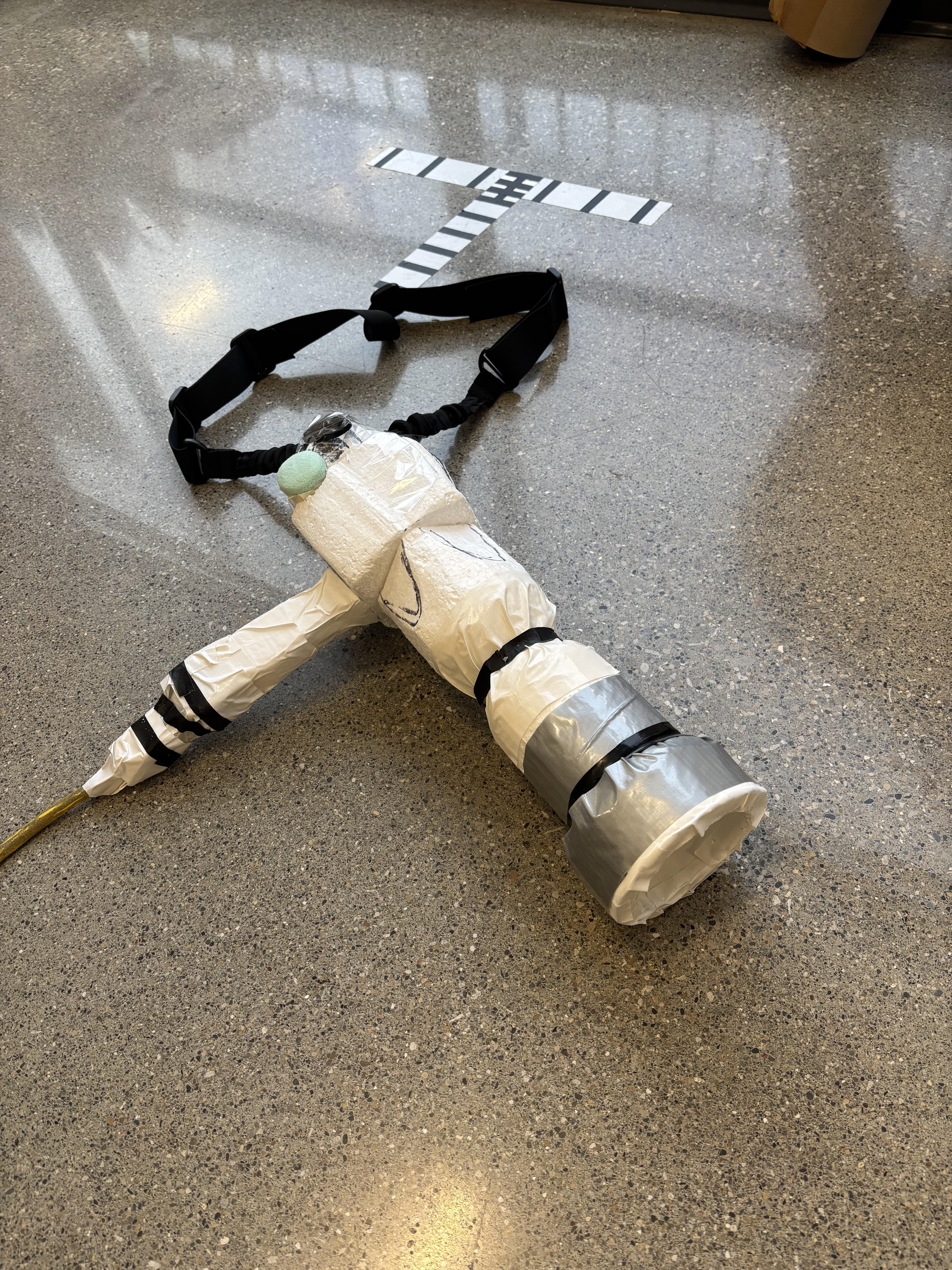
Tire changers use pneumatic wheel guns to remove the center lugs. During the process of removing the tire, they need to drop the wheel gun then pick it up after. Dropping the gun is also not consistent.

Current System
Proposed Concept